
Why Women’s White Lyocell-Cotton Mini Shirt Dress Is Becoming a Capsule Wardrobe Essential
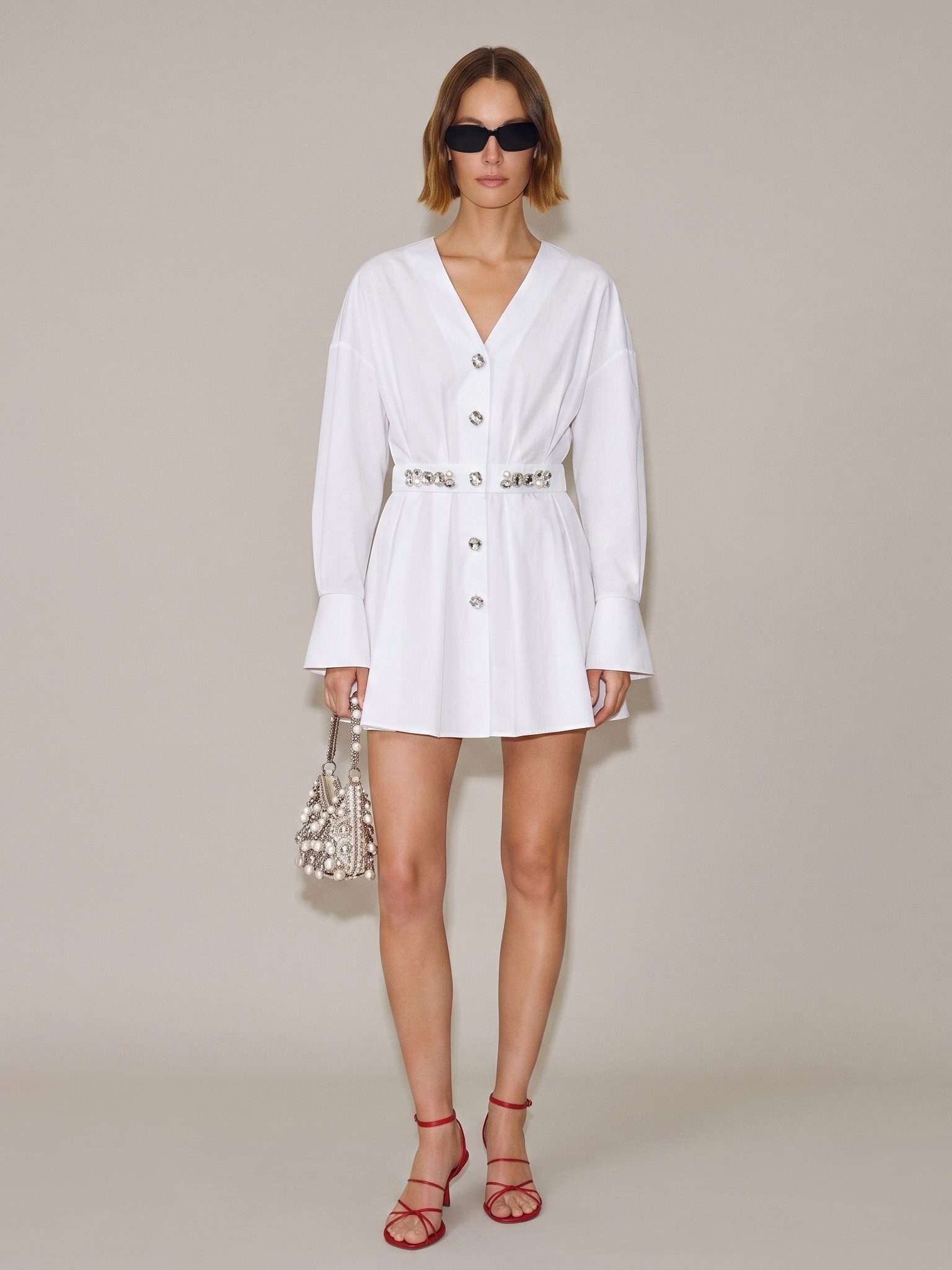
A shift toward versatile clothing is changing how modern wardrobes are built, and the Women’s White Lyocell-Cotton Mini Shirt Dress represents this movement by combining everyday comfort, easy styling, and lightweight fabric innovation in one practical design.
For many people, the challenge is no longer finding more clothes, but choosing pieces that can adapt to different situations. The growing interest in capsule wardrobes reflects this change, with consumers paying more attention to garments that can move between work, travel, casual occasions, and seasonal transitions.
Why Capsule Wardrobes Are Moving Toward More Flexible Pieces
The traditional approach to fashion often focused on having separate outfits for separate occasions. A work dress, a weekend outfit, a holiday look, and a casual style might all exist independently.
However, modern lifestyles are becoming less predictable. A single day may include commuting, meetings, social activities, and informal events. This has increased interest in clothing that can adjust without requiring a complete change of outfit.
A shirt dress naturally fits this requirement because it combines the structure of a classic shirt with the simplicity of a one-piece garment.
The appeal comes from balance. It provides enough shape to create a polished appearance while maintaining the relaxed feeling expected from everyday clothing.
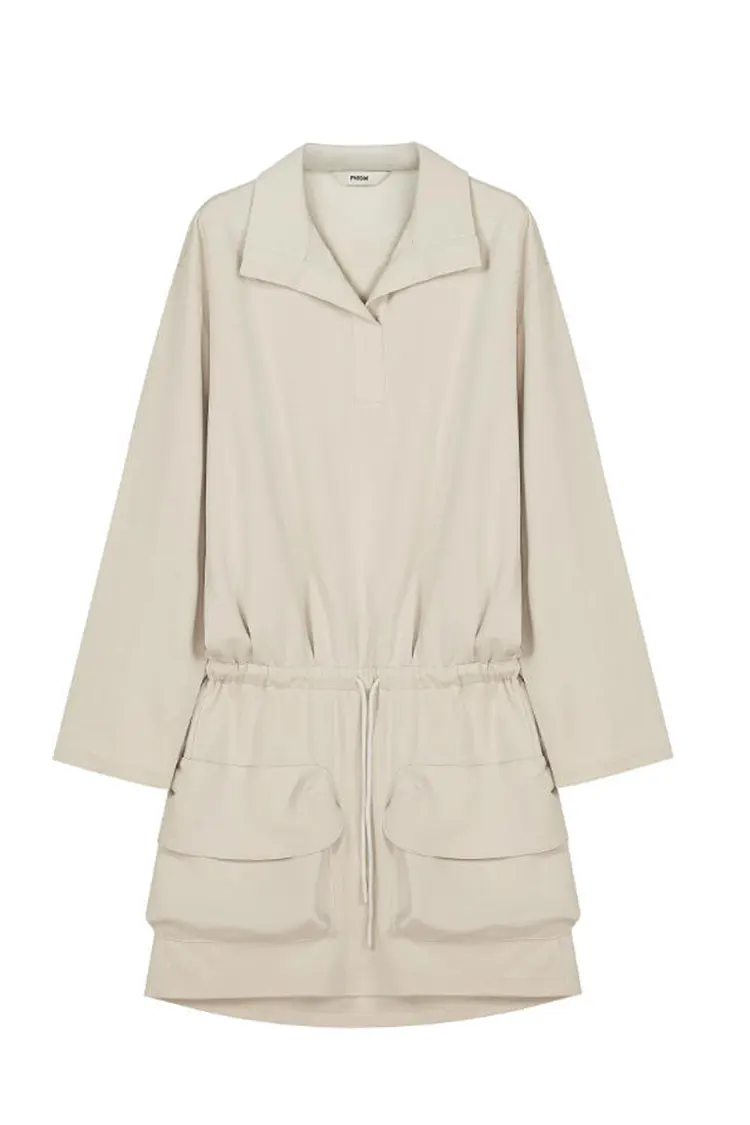
The Women’s White Lyocell-Cotton Mini Shirt Dress reflects this direction by using a familiar silhouette with a fabric combination designed for comfort and adaptability.
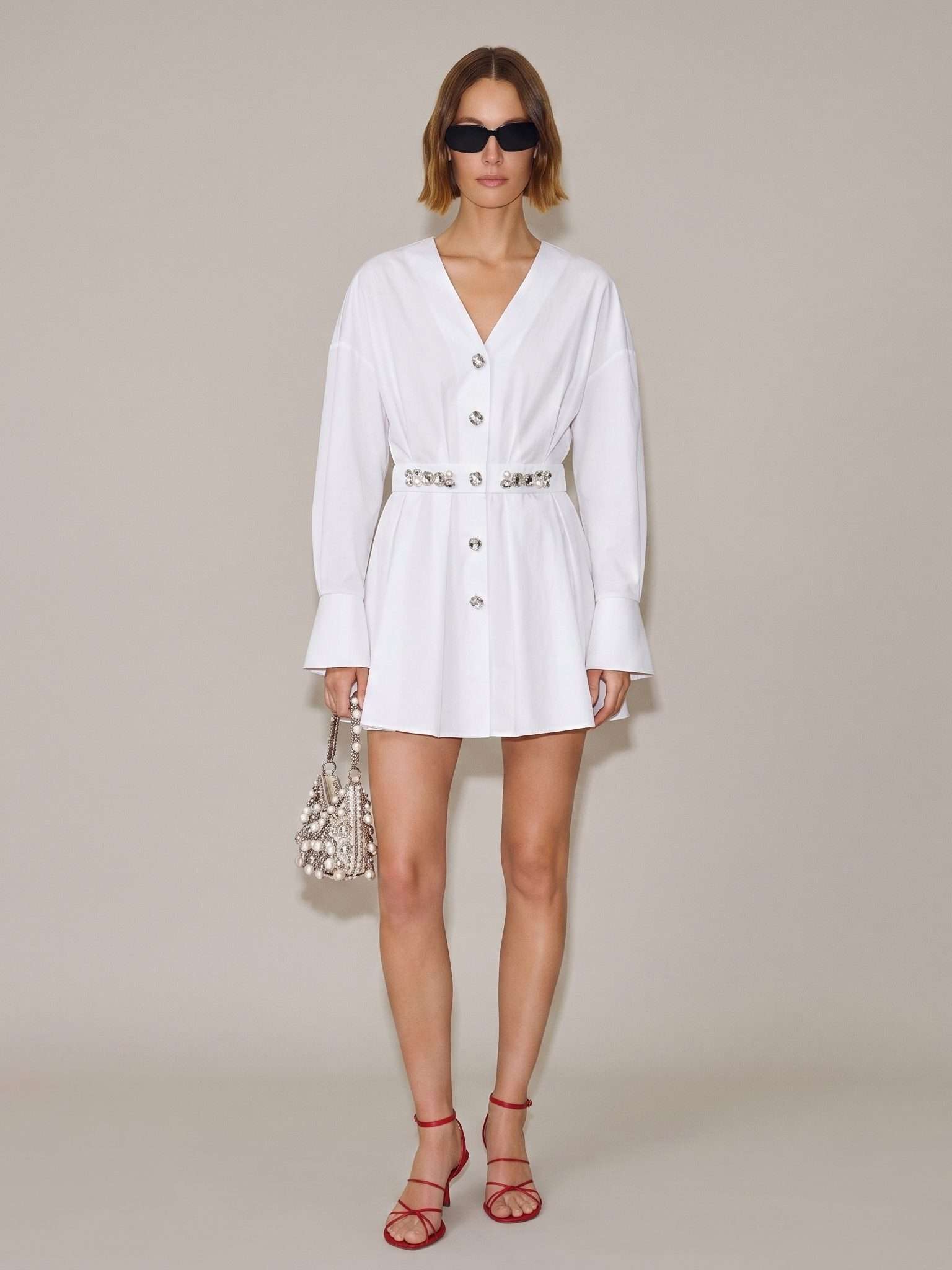
The Return of the Modern Shirt Dress
Shirt dresses have remained relevant because they are not limited to one fashion category. They can appear minimal, professional, casual, or seasonal depending on styling choices.
A white shirt dress, in particular, works as a neutral foundation. It can be paired with sneakers for a relaxed daytime appearance, layered with knitwear during cooler periods, or combined with accessories for a more refined look.
This flexibility is one reason white wardrobe essentials continue to appear in capsule wardrobe discussions. Current fashion conversations increasingly highlight timeless basics, neutral colors, and pieces that support multiple outfit combinations rather than short-term trends.
Why Lyocell-Cotton Blends Are Gaining Attention
Fabric selection has become an important part of wardrobe decisions.
A garment may have a simple design, but the material determines how it feels, moves, and performs in daily use.
Lyocell has gained attention in apparel development because of its soft hand feel, smooth surface, and comfortable drape. When combined with cotton, the fabric can balance the familiar natural feel of cotton with the fluid characteristics associated with regenerated cellulose fibers.
For a shirt dress, this combination is particularly relevant.
The garment needs enough structure to maintain a clean silhouette while remaining comfortable during movement. A fabric that feels too stiff may limit wearability, while one that lacks shape may reduce styling options.
The following factors often influence how a shirt dress performs in everyday wardrobes:
| Design Factor | Influence on Daily Wear |
|---|---|
| Fabric composition | Determines softness, breathability, and overall comfort |
| Fabric weight | Affects seasonal flexibility and layering ability |
| Silhouette | Influences whether the dress works for casual or polished styling |
| Length | Determines suitability for different activities and footwear |
| Color | Impacts outfit combinations and long-term usability |
One Dress, Multiple Styling Possibilities
The strength of a capsule wardrobe piece comes from its ability to create different combinations without complicated adjustments.
A Women’s White Lyocell-Cotton Mini Shirt Dress can function as more than a single outfit.
For example:
| Styling Direction | Combination Idea | Overall Effect |
|---|---|---|
| Everyday casual | Sneakers and a lightweight bag | Relaxed daily dressing |
| Office-inspired | Loafers and structured accessories | Clean and professional |
| Layered seasonally | Cardigan or jacket | Extended seasonal use |
| Weekend style | Sandals and simple accessories | Comfortable leisure look |
| Travel outfit | Flat shoes with minimal layers | Easy movement and packing |
The important point is not that one garment replaces every other item.
Instead, it becomes a reliable foundation that reduces unnecessary decisions.
This idea is becoming increasingly important as people look for wardrobes that are easier to manage while still allowing personal expression.
How Simplicity Influences Apparel Development
The popularity of capsule wardrobe thinking is also influencing how apparel collections are developed.
A garment that appears simple often requires careful consideration. Designers need to evaluate proportions, fabric behavior, construction details, and how the style interacts with other wardrobe pieces.
For a shirt dress, small details can significantly affect usability:
These details are becoming increasingly relevant as the fashion industry explores more practical and adaptable clothing concepts.
The Role of Material Innovation in Everyday Fashion
The discussion around sustainable fashion is also moving beyond simple material labels.
Instead of only asking whether a fabric is considered environmentally responsible, more attention is being placed on whether the garment is actually worn frequently and maintained over time.
A versatile garment that fits many situations may have a longer active life because it remains useful across different occasions.
This perspective connects material development with everyday behavior.
Lyocell-cotton fabrics, lightweight constructions, and adaptable silhouettes all support this broader movement toward clothing that combines function with modern lifestyle needs.
Why White Remains an Important Wardrobe Color
Color plays a major role in capsule wardrobe planning.
White continues to be widely used because it creates a neutral base. It can work with denim, dark tailoring, soft seasonal colors, and patterned accessories.
Unlike highly seasonal colors, white allows more freedom in combining existing wardrobe pieces.
This does not mean white clothing lacks personality. Instead, it creates a background where styling choices become more visible.
For apparel development, this makes white garments an interesting category because the focus shifts from decoration to fabric quality, fit, and construction.
The Growing Demand for Practical Fashion Choices
The rise of the Women’s White Lyocell-Cotton Mini Shirt Dress reflects a larger change in fashion thinking.
Consumers are increasingly interested in clothing that supports real routines. They want pieces that can travel easily, combine with existing items, and remain relevant beyond a single season.
This does not eliminate creativity from fashion. Instead, it encourages designers and product teams to think about how garments function after purchase.
The strongest everyday pieces are often those that quietly solve problems: reducing outfit choices, improving comfort, and creating more combinations from fewer items.
A Simple Garment With a Bigger Industry Message
The popularity of the shirt dress shows that modern fashion is not only about creating new appearances. It is also about improving how clothing fits into daily life.
A Women’s White Lyocell-Cotton Mini Shirt Dress combines a familiar silhouette with fabric innovation and flexible styling potential, making it an example of how apparel development is responding to changing wardrobe habits.
As capsule wardrobes continue influencing fashion discussions, versatile designs, thoughtful material selection, and practical construction are likely to remain important considerations for brands and product developers looking to create clothing that stays relevant beyond a single season.
Related News
- How Did One Woman Build a Capsule Wardrobe Around a Single Cashmere Sweater for Women—and Never Look Back?
- Children's Knitwear: How to Choose the Right Fabrics, Styles, and Sizes
- How Can Women's Fitness Wear Sport Pants Improve Comfort, Performance, and Everyday Style
- Lace Meets Knitwear: Why 3D Lace Sweaters Are Bringing New Texture to Women's Fashion
- How Can a Women's Embroidered Party Blouse Elevate Modern Occasionwear
- Why Is Baby Cotton Knit Cardigan the Perfect Choice for Comfortable and Stylish Baby Clothing
Leave me a message