
How Did One Woman Build a Capsule Wardrobe Around a Single Cashmere Sweater for Women—and Never Look Back?
A RUIFAN Cashmere Sweater for Women became the unexpected center of one woman’s capsule wardrobe, raising a practical question: can one well-chosen knit really replace the need for a closet full of seasonal options?
The answer may depend less on owning fewer clothes and more on understanding what makes a garment worth wearing again and again.
The Sweater She Kept Reaching For
It started with a familiar problem.
Her wardrobe was full, yet choosing an outfit still took too much time. Some clothes worked only with one particular pair of trousers. Others looked right for a single occasion but stayed untouched for weeks. Seasonal changes added another layer of complexity.
Then one cashmere sweater kept appearing in the rotation.
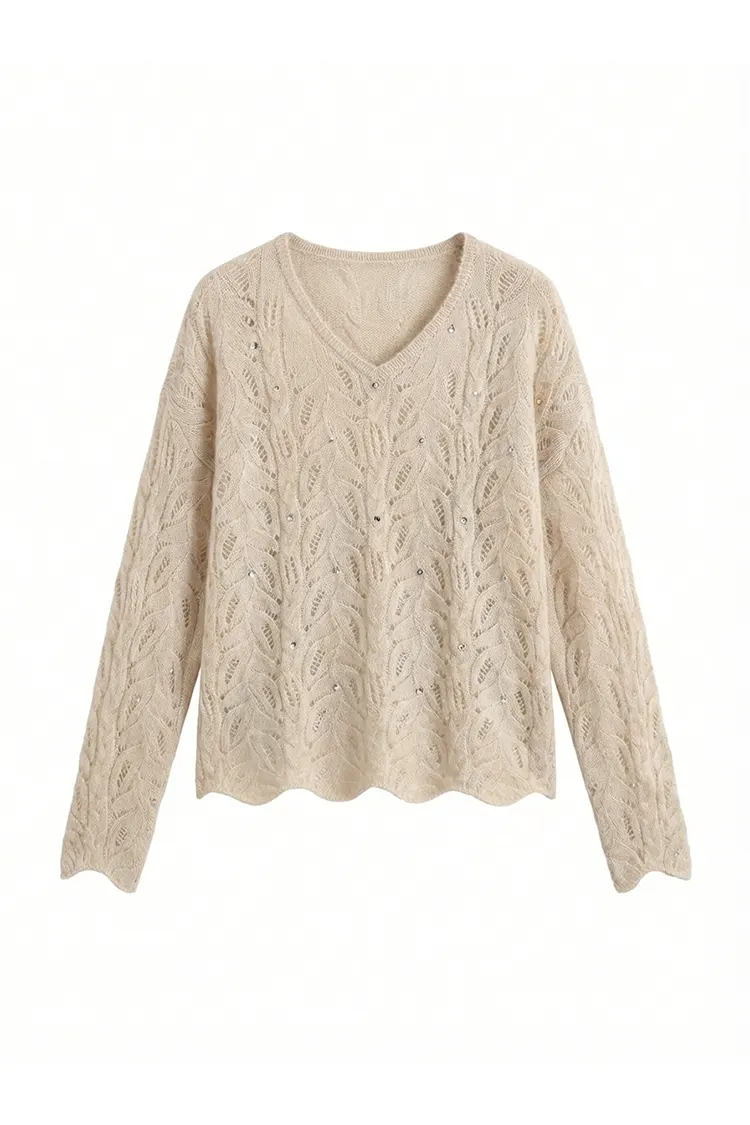
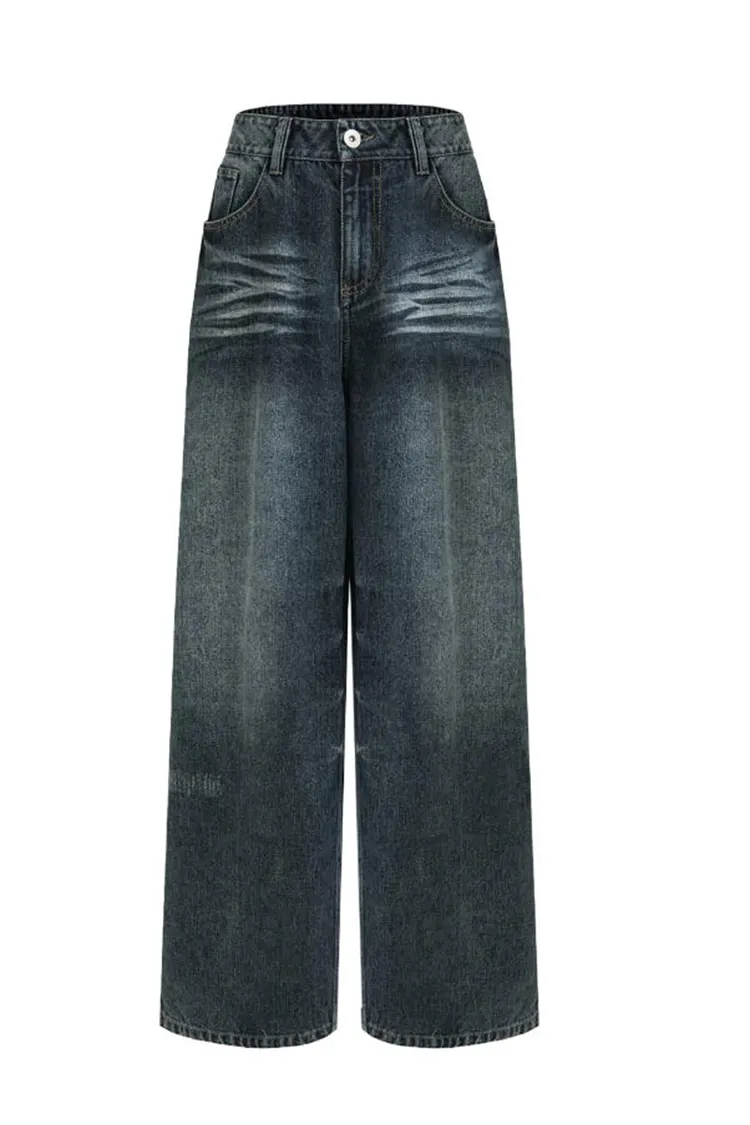
It worked with denim on ordinary days, slipped easily beneath a coat when temperatures dropped, and looked sufficiently polished with tailored trousers. Nothing about the sweater was particularly complicated. That was precisely the point.
After several weeks, she noticed something unexpected: she was not missing the clothes she had stopped wearing.
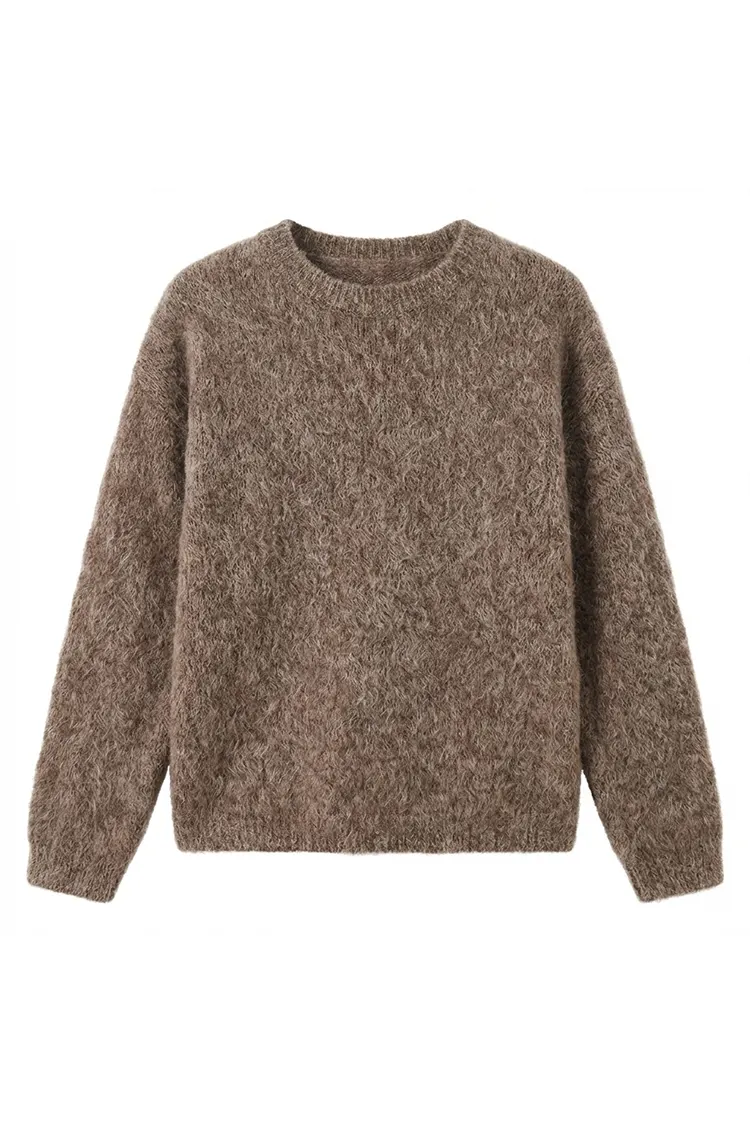
The experiment gradually became a capsule wardrobe built around a small number of compatible pieces, with the sweater acting as one of its most frequently used layers.
This simple experience reflects a wider change in how people think about everyday clothing. The question is increasingly not “What is new this season?” but “What will still make sense next season?”
Why Versatility Has Become More Interesting
A versatile garment does not need to create dozens of completely different looks. It needs to work naturally in several situations without requiring complicated styling.
A sweater can achieve this through relatively simple design decisions.
A restrained neckline can sit comfortably beneath outerwear. A balanced silhouette can work with both fitted and relaxed bottoms. A neutral or easily coordinated shade can connect with denim, tailoring and skirts.
Fabric also changes the equation.
Cashmere is commonly associated with softness and warmth, but the practical experience of a knit depends on more than fiber content. Yarn selection, knitting structure, garment weight, finishing and proportions all affect how the sweater behaves in everyday use.
That is why two sweaters with similar fiber descriptions can feel completely different in a wardrobe.
One Sweater, Five Very Different Days
The capsule wardrobe experiment becomes more interesting when the same knit is placed into ordinary routines rather than carefully staged fashion photographs.
| Daily Situation | Other Clothing | Role of the Sweater |
|---|---|---|
| Morning commute | Trousers + loafers | Comfortable main layer |
| Office meeting | Shirt + tailored trousers | Refined mid-layer |
| Weekend outing | Jeans + sneakers | Relaxed everyday knit |
| Dinner | Skirt + simple accessories | Clean standalone piece |
| Cold-weather travel | T-shirt + coat | Warm intermediate layer |
The combinations are deliberately uncomplicated.
That is what makes the idea useful.
The sweater does not have to become a completely different garment every time it is worn. The surrounding pieces do most of the visual work.
For wardrobe planning, this creates an important distinction between variety and versatility.
Variety comes from having different designs. Versatility comes from making existing designs work in more situations.
What Apparel Development Can Learn From a Small Closet
The capsule wardrobe trend offers an interesting perspective on knitwear development.
When a garment is expected to appear repeatedly, small details become more noticeable. A neckline that feels restrictive, sleeves that bunch beneath a coat, excessive bulk at the hem or an awkward shoulder line can quickly reduce how often the piece is worn.
Conversely, a balanced construction can quietly increase its usefulness.
RUIFAN operates within a broader apparel development network covering sweaters, knitwear, light woven garments, jeans, Tencel products and coats. This range is relevant to the capsule wardrobe concept because coordination rarely happens within one garment category.
A sweater needs to make sense with the trousers, denim and outerwear around it.
That means product development cannot always be viewed as a series of independent styles. Increasingly, the relationship between garments matters just as much as the appearance of an individual piece.
The Details That Decide Whether a Knit Gets Repeated
A useful way to look at a wardrobe staple is to examine the small decisions that influence its actual use.
| Design Factor | Everyday Question |
|---|---|
| Yarn | Does the fabric provide the intended warmth and hand feel? |
| Weight | Can it be worn alone or layered comfortably? |
| Silhouette | Does it work with different trouser and skirt shapes? |
| Neckline | Is it practical beneath shirts, coats or jackets? |
| Sleeve construction | Does it allow comfortable layering? |
| Hem proportion | Does it sit naturally with different bottoms? |
| Color | Can it connect with several existing wardrobe pieces? |
None of these factors is particularly glamorous.
Together, however, they can determine whether a sweater becomes the garment someone reaches for every Monday morning—or the one that remains folded at the back of a drawer.
The Production Side of a “Simple” Sweater
There is another reason this story is relevant to the apparel industry.
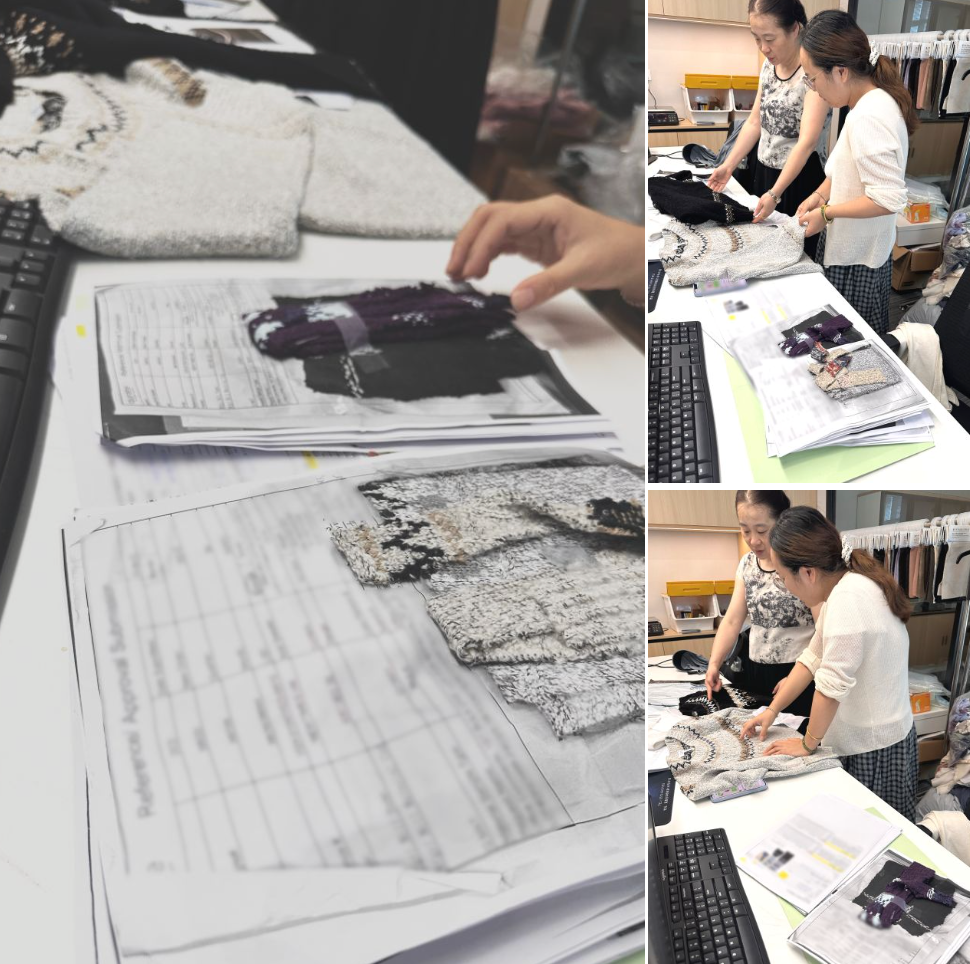
A sweater that looks simple can involve considerable development work behind the scenes. Yarn and fabric selection, knitting techniques, sizing, finishing and production consistency all have to align with the intended design.
RUIFAN's associated factory operation in Anhui was established in 2009, while the company's profile reports more than 25 years of production experience. The facility is equipped with automated machinery and has a stated monthly production capacity of more than 100,000 pieces.
At the same time, the company maintains a smaller workshop for fashion-oriented development and styles produced in quantities of approximately 300–500 pieces per style.
This combination reflects an important reality in contemporary apparel development: not every useful idea begins as a large collection.
A new knit may first need to be tested through a smaller production program. Proportions may change. Yarn choices may be adjusted. A neckline may be refined after seeing how the finished garment behaves.
The process behind a “simple sweater” can therefore be considerably more detailed than the final appearance suggests.
Why Small-Volume Development Is Gaining Attention
Fashion collections have traditionally been associated with scale, but smaller style programs can provide a different kind of flexibility.
RUIFAN's company profile states that more than 500 styles are developed each year, alongside capabilities in yarn and fabric development responding to fashion trends.
For knitwear, this type of development matters because trends do not always translate directly into practical wardrobe pieces.
A dramatic silhouette may attract attention but prove difficult to layer. An unusual texture may photograph well but require limited outfit combinations. Meanwhile, a relatively restrained knit can become more useful because it fits naturally into several parts of a wardrobe.
The capsule wardrobe idea puts that difference under a spotlight.
Fewer Pieces Can Put More Pressure on Each Piece
There is an irony at the heart of minimalist dressing.
When someone owns 50 sweaters, one awkward sweater may not matter much.
When someone owns five, every sweater has a job.
That means a reduced wardrobe can actually demand better product thinking. Comfort, proportions, fabric behavior and compatibility become more important because there are fewer alternatives available.
This is particularly relevant to women's knitwear, where a small difference in fit can significantly affect how a garment works with coats, denim, skirts or tailored trousers.
The most successful capsule pieces are rarely defined by one dramatic feature. They tend to succeed because several modest decisions work together.
The Cashmere Sweater Test
The woman's experience suggests a simple test for any potential wardrobe staple.
Can it move through your week without making you think too hard about what to wear with it?
If the answer is yes, the garment has already solved part of the wardrobe problem.
A useful Cashmere Sweater for Women can function as a standalone top, a mid-layer or part of a more structured outfit. Its usefulness comes from this flexibility rather than from constant novelty.
For apparel professionals, the same principle can be applied when evaluating collections.
Instead of counting how many individual designs a range contains, it can be more revealing to ask how well those designs work together. Can the knitwear coordinate with denim? Can it layer beneath coats? Can one silhouette serve several occasions? Can color choices support multiple combinations?
These questions are closer to how garments are actually used.
The Bigger Shift Is Not Really About Minimalism
The capsule wardrobe conversation is sometimes treated as a minimalist lifestyle trend, but its more lasting influence may be practical rather than ideological.
People are becoming more conscious of unused clothing, complicated styling and garments that have a very narrow purpose.
That does not necessarily mean everyone wants a tiny wardrobe.
It means versatility has become easier to recognize as a form of value.
A sweater that works on five different days may have more practical relevance than five highly specific sweaters that each work once.
This does not make trend-led fashion irrelevant. Instead, it creates space for both. Statement pieces can provide novelty, while dependable knitwear provides continuity.
That balance is likely to remain important as apparel collections respond to changing lifestyles.
What One Sweater Revealed
The woman did not set out to prove that an entire wardrobe could be replaced by one sweater. She simply discovered that the clothes she wore most often shared one characteristic: they were easy to combine.
Her cashmere knit happened to fit that formula particularly well.
For the wider apparel industry, the lesson is straightforward. A useful garment does not have to be complicated, highly decorated or built around a short-lived trend. Its value can come from how naturally it fits into everyday routines.
That makes fabric choice, construction, proportions and coordination worth considering from the earliest stages of product development.
A Cashmere Sweater for Women may occupy only one position in a clothing collection, but its potential role within a wardrobe is much larger. RUIFAN's experience across knitwear, sweaters, denim, light woven garments, Tencel products and coats reflects the broader idea that individual garments work best when considered as parts of a complete wardrobe rather than isolated styles.
In the end, the one-sweater experiment was not really about owning less. It was about wearing more of what already works—and RUIFAN shows how thoughtful Cashmere Sweater for Women development can support that increasingly practical approach to modern wardrobes.
Related News
- Why Baby Wool Knitwear Collection Is Growing in Premium Baby Fashion
- How Baby Wool Knitwear Collection Reflects the Rise of Natural Babywear
- Why Women’s White Lyocell-Cotton Mini Shirt Dress Is Becoming a Capsule Wardrobe Essential
- Children's Knitwear: How to Choose the Right Fabrics, Styles, and Sizes
- How Can Women's Fitness Wear Sport Pants Improve Comfort, Performance, and Everyday Style
- Lace Meets Knitwear: Why 3D Lace Sweaters Are Bringing New Texture to Women's Fashion
Leave me a message