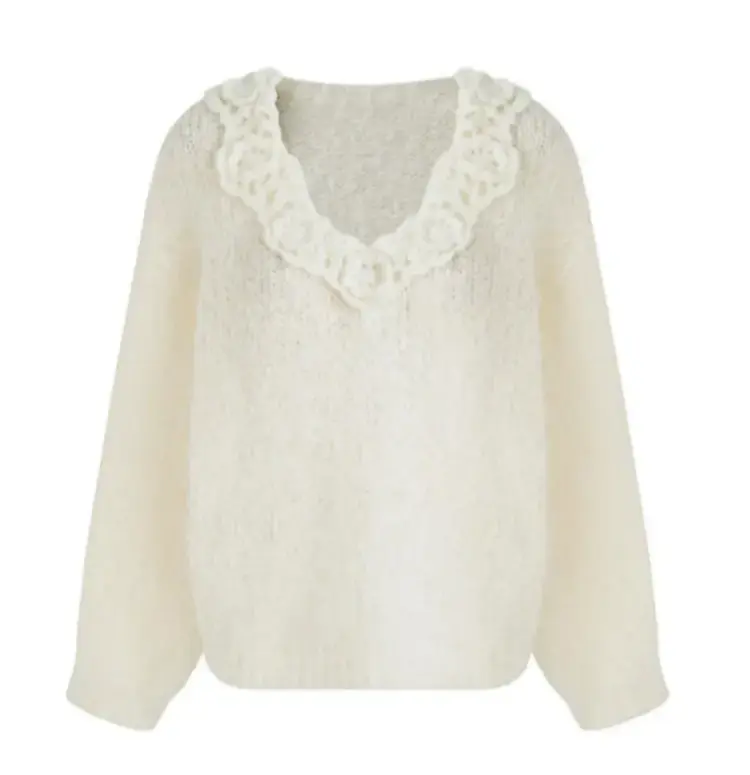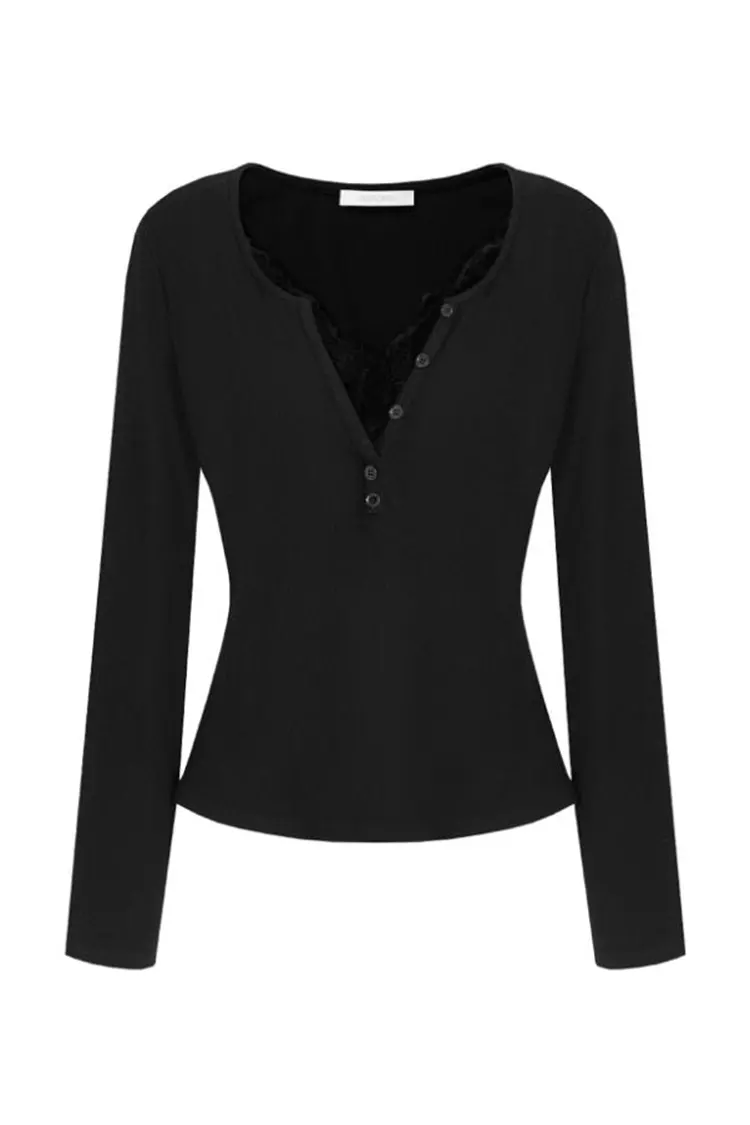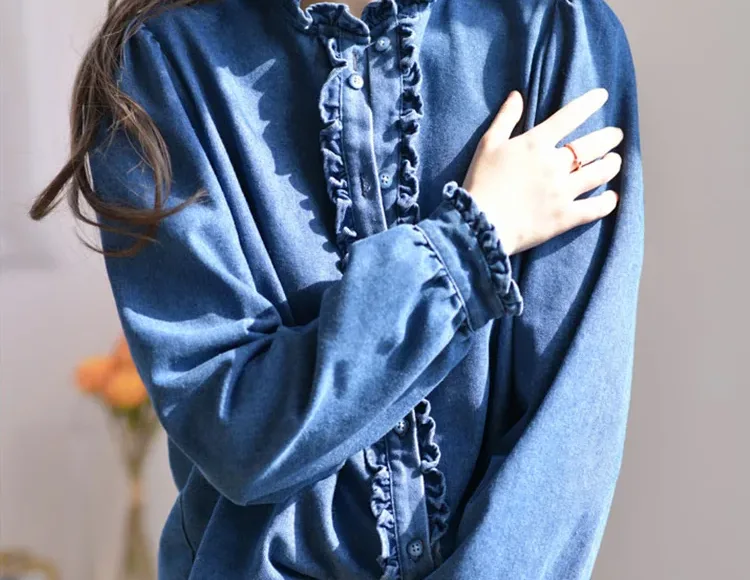
High-Quality Customized Cardigan Sweater for Women from China
How to choose high-quality Cardigan Sweater for Women?
Analyze from three aspects: yarn, yarn count density, and needle count.
Yarn: Natural materials are preferred, with emphasis on fiber quality
The yarn of high - quality cardigan sweaters directly affects their comfort and durability.
Preferred natural fibers: Wool (such as Merino wool), cashmere, cotton, or silk blends are preferable. Wool has strong warmth - retention properties, while cashmere is soft and skin - friendly but requires meticulous care. Cotton is breathable and suitable for spring and autumn, while silk blends enhance the luster.
Avoid chemical fibers: Polyester fibers and other chemical fibers are prone to static electricity, stuffiness, and pilling when worn for a long time, reducing the sense of quality.
Fiber fineness: The finer the yarn (such as 14 - 16 microns of cashmere), the softer the touch. However, it should be noted that fine yarn may be more fragile and should be combined with a reasonable process.
Yarn count density: High count + high density = durability and refinement
Yarn count density is a core indicator for evaluating the quality of sweaters, directly affecting their warmth - retention, anti - pilling property, and pattern stability.
Yarn count (S): The higher the yarn count, the finer the yarn and the more delicate the fabric. For instance, wool cardigans with a count of over 80 have a smooth touch like silk and are suitable for close - fitting wear. However, if the count is too high (such as over 120), durability may be sacrificed, and a balance needs to be struck.
Density (gram weight/number of stitches): Density refers to the amount of yarn used per unit area, usually expressed in terms of "gram weight" or "number of stitches". High - density sweaters (such as those with a weight of over 400g/m²) are thicker, warmer, and less prone to deformation. The higher the number of stitches (such as 16 or 18), the tighter the fabric will be and the stronger its anti - pilling property will be.
Stitch count and weaving method: Fine craftsmanship enhances texture
The number of stitches and knitting method determine the texture and detail presentation of a sweater, which is a key manifestation of high quality.
High stitch count process: With 16 or more stitches, it can produce fine and even textures, suitable for basic styles or simple designs. For cardigans with 12 or fewer stitches, thick needlework is suitable to create a laid - back and retro look, but attention should be paid to the handling of the thread ends.
Weaving method selection: Stockinette Stitch is smooth and flat, suitable for close - fitting layers; Rib Stitch has good elasticity and is often used for collars and cuffs. Jacquard or braided weaving techniques add a three - dimensional effect, but it is necessary to choose products with exquisite craftsmanship to avoid messy thread ends.
Detailed inspection: Observe whether the cuffs, hems, and other edges are tight without curled edges, whether the buttons or zippers and other accessories are firm, and whether the stitching is fine and even (more than 12 stitches per inch).
Ruifan's advantages in the production of Cardigan Sweater for Women
Yarn source: High-quality raw materials and customized services
Ruifan pays close attention to the application of natural fibers in yarn selection, such as wool and cashmere. These raw materials not only have a soft touch and strong warmth retention, but also meet the demand of the high-end market for sustainable fashion. Meanwhile, Ruifan collaborates with high-quality suppliers to obtain a variety of functional yarns, such as recycled and eco-friendly yarns, moisture-absorbing and heat-generating yarns, etc., meeting consumers' dual pursuits of environmental protection and functionality. In addition, Ruifan also offers yarn customization services, allowing for adjustments to the fiber ratio, count and color number according to design requirements to ensure a perfect match between raw materials and finished product designs.
Sweater Prefabricated house: Exquisite design and efficient sampling
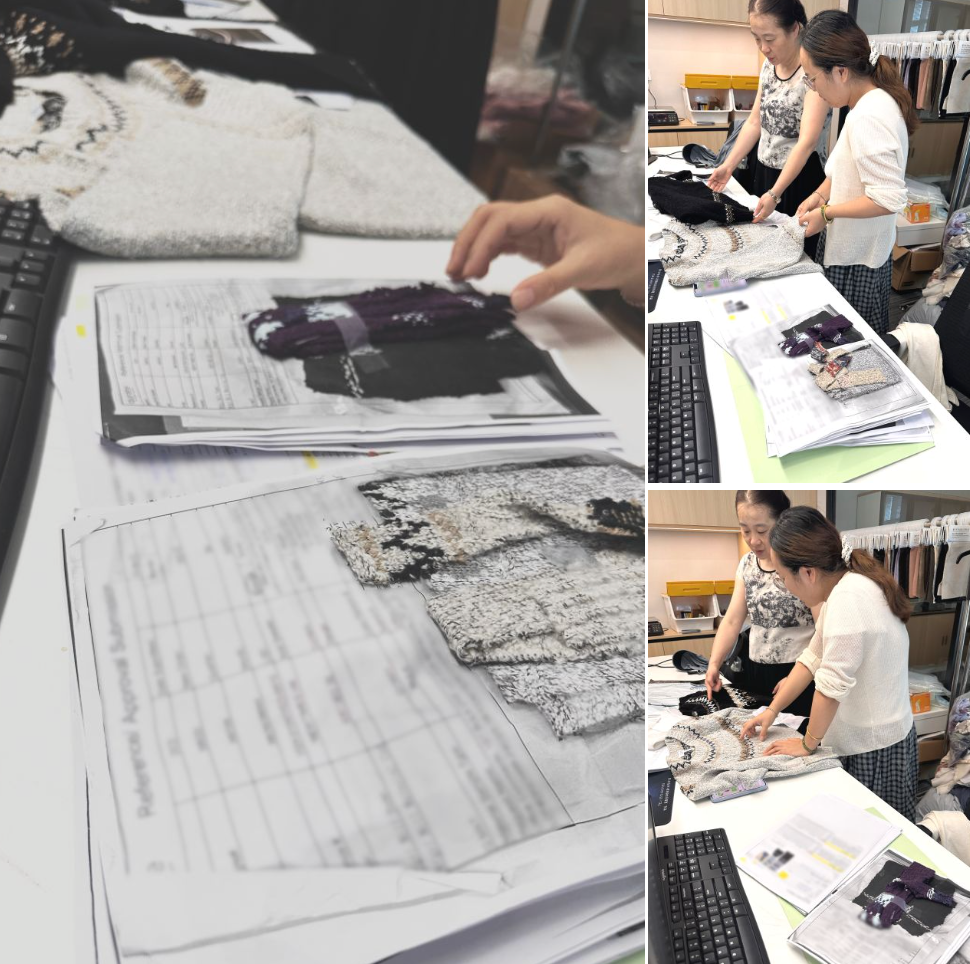
Ruifan's sweater workshop takes high-end, simple and big-name style designs as its design direction, focusing on the design of all types of women's clothing, especially excelling in the research and development of Cardigan Sweater for Women patterns. The prefabricated house team has rich experience, can accurately grasp market trends, quickly respond to customer demands, and provide diversified design solutions. In the sample-making stage, Ruifan adopts an efficient process. For mid-to-low-end product lines, it can achieve a rapid delivery within 3 to 5 days, and for high-end product lines, it only takes 6 to 8 days. This significantly shortens the product launch cycle and enhances market competitiveness.
Sweater factory: Large-scale production and strict quality control
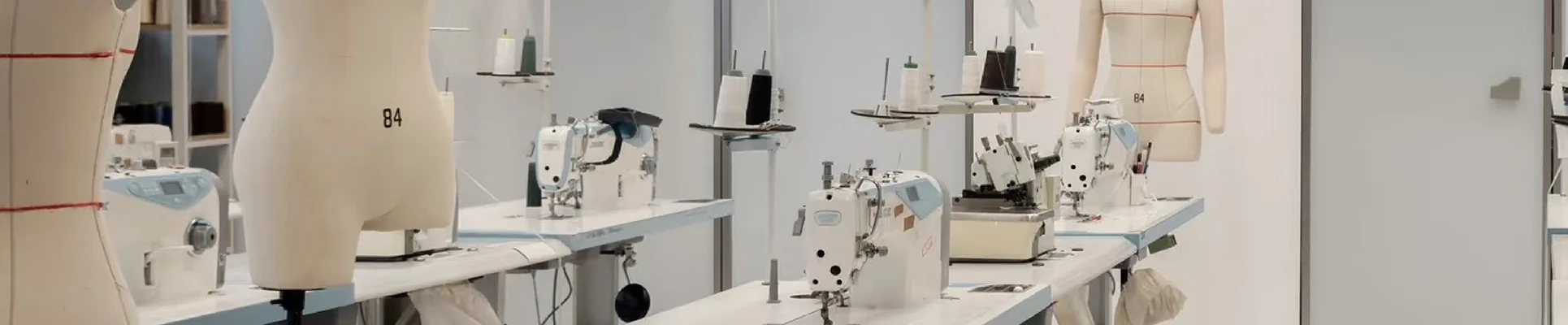
Ruifan's sweater factory has a large modern production base with abundant capacity, capable of handling large orders. At the same time, it supports small-batch production and customized services to meet the needs of different customers. The factory attaches great importance to the optimization of the production process and quality control management. From raw material inspection, first article inspection to finished product inspection, each link has strict quality standards and testing procedures to ensure the stable and uniform quality of the products. In addition, the factory has introduced advanced production management software to achieve intelligent scheduling of production plans and refined management of inventory, further enhancing production efficiency and cost control capabilities.

- View as
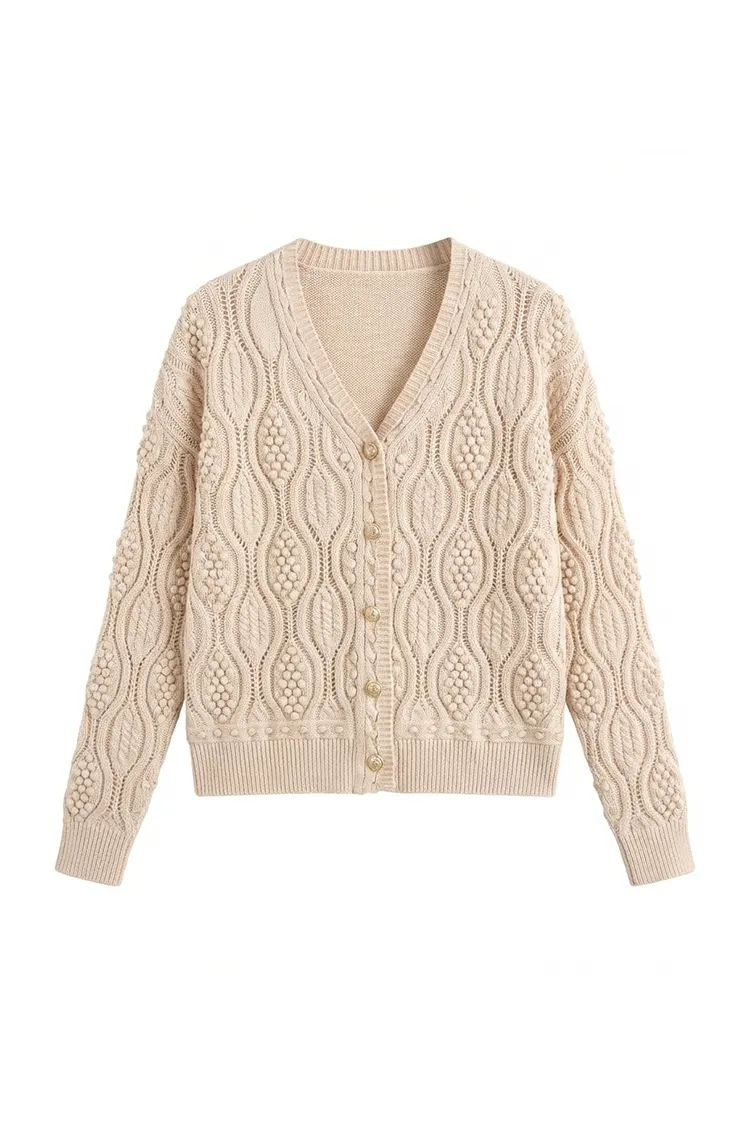
Women's Cable Knit Cardigan Sweater
With a solid 25-year legacy in the fashion industry, RUIFAN has established itself as a premier manufacturer and supplier of high-quality Women's Cable Knit Cardigan Sweaters. We don't just make clothes; we craft value. our products enjoy competitive pricing and are widely exported to major European and American markets. We sincerely welcome partners from all over the world to consult.
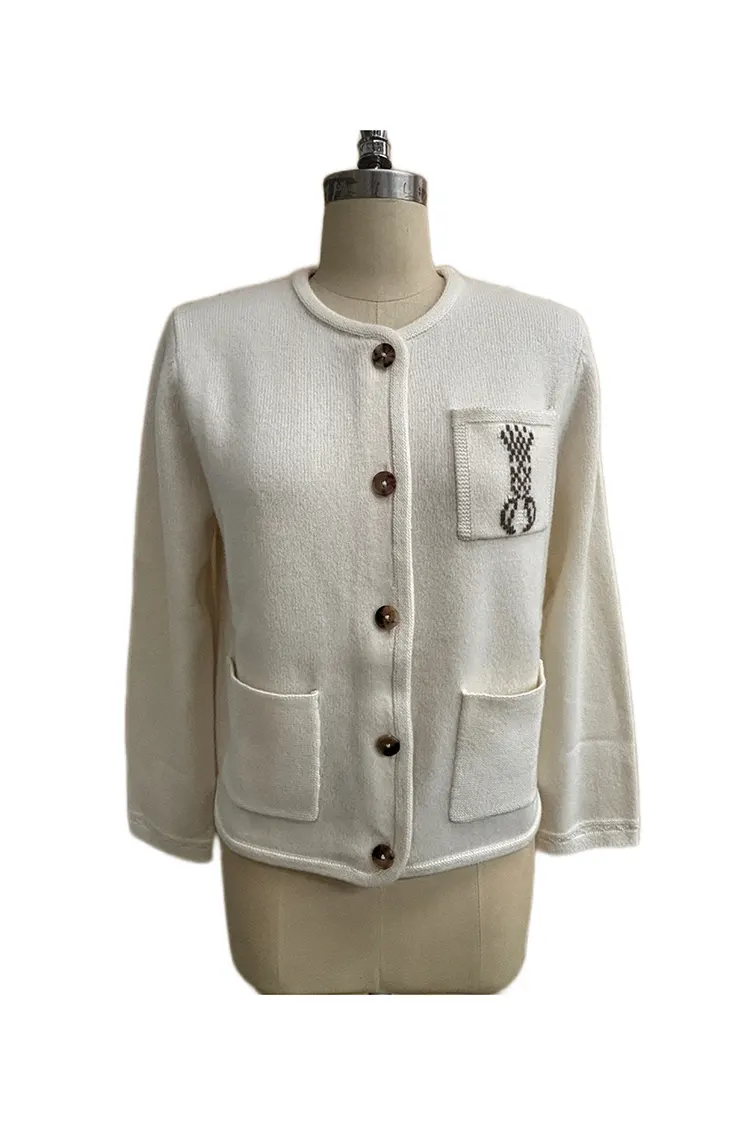
Women's Cropped Cardigan Sweater
As a high-end knitwear manufacturing and supply enterprise rooted in China, RUIFAN is honored to present to you our Women's Cropped Cardigan Sweater - specially designed for modern women who value quality. It is an indispensable elegant item in your wardrobe. We sincerely welcome partners from all over the world to consult about bulk orders.
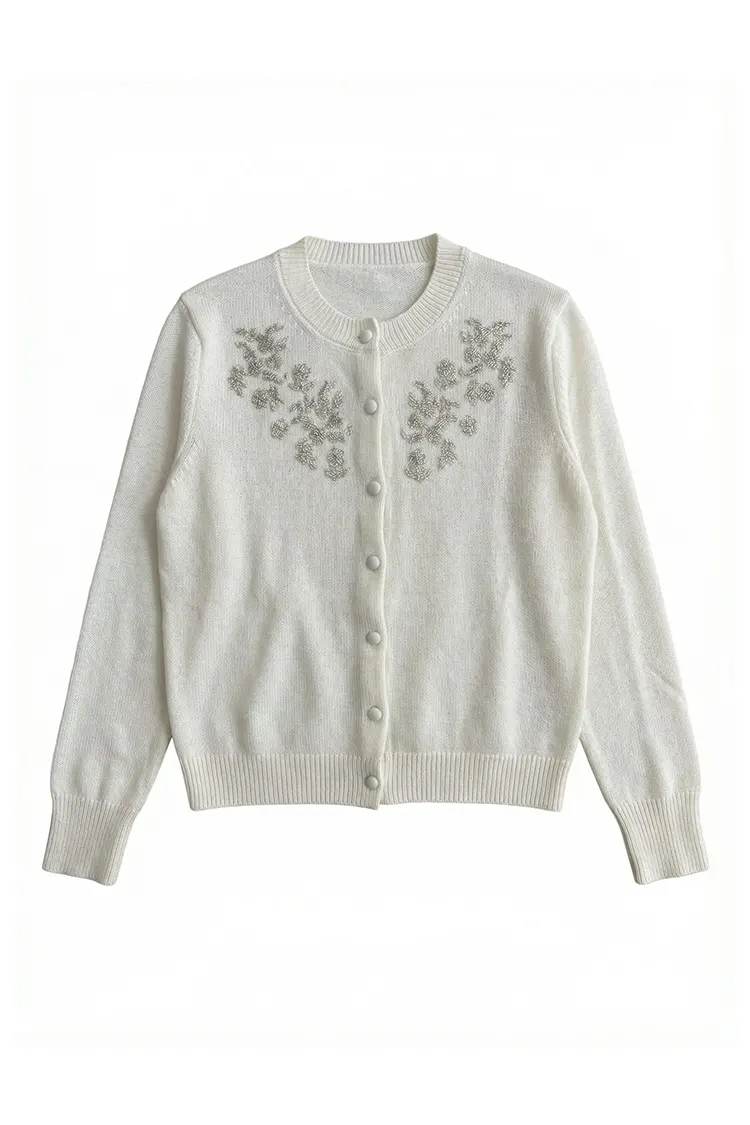
Women's Button-Down Cardigan Sweater
RUIFAN is a large-scale Women's Button-Down Cardigan Sweater manufacturer and supplier in China, which have over 25 years of experience in garment production. We provide full customization services——feel free to let us know your requirements for fabric, pattern and any small details, and we’ll make the exact adjustments you need. We look forward to becoming your long-term partner in China.
RUIFAN is a professional Cardigan Sweater for Women manufacturer and supplier in China. We warmly welcome you to wholesale high quality products at competitive price from our factory.