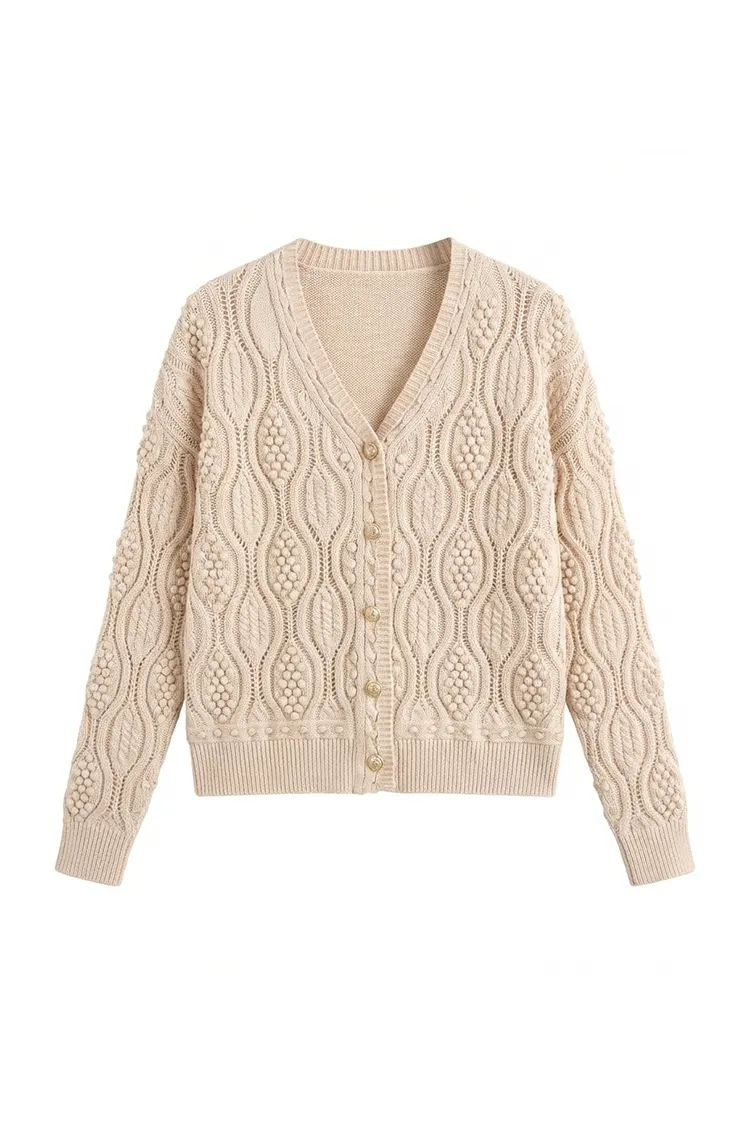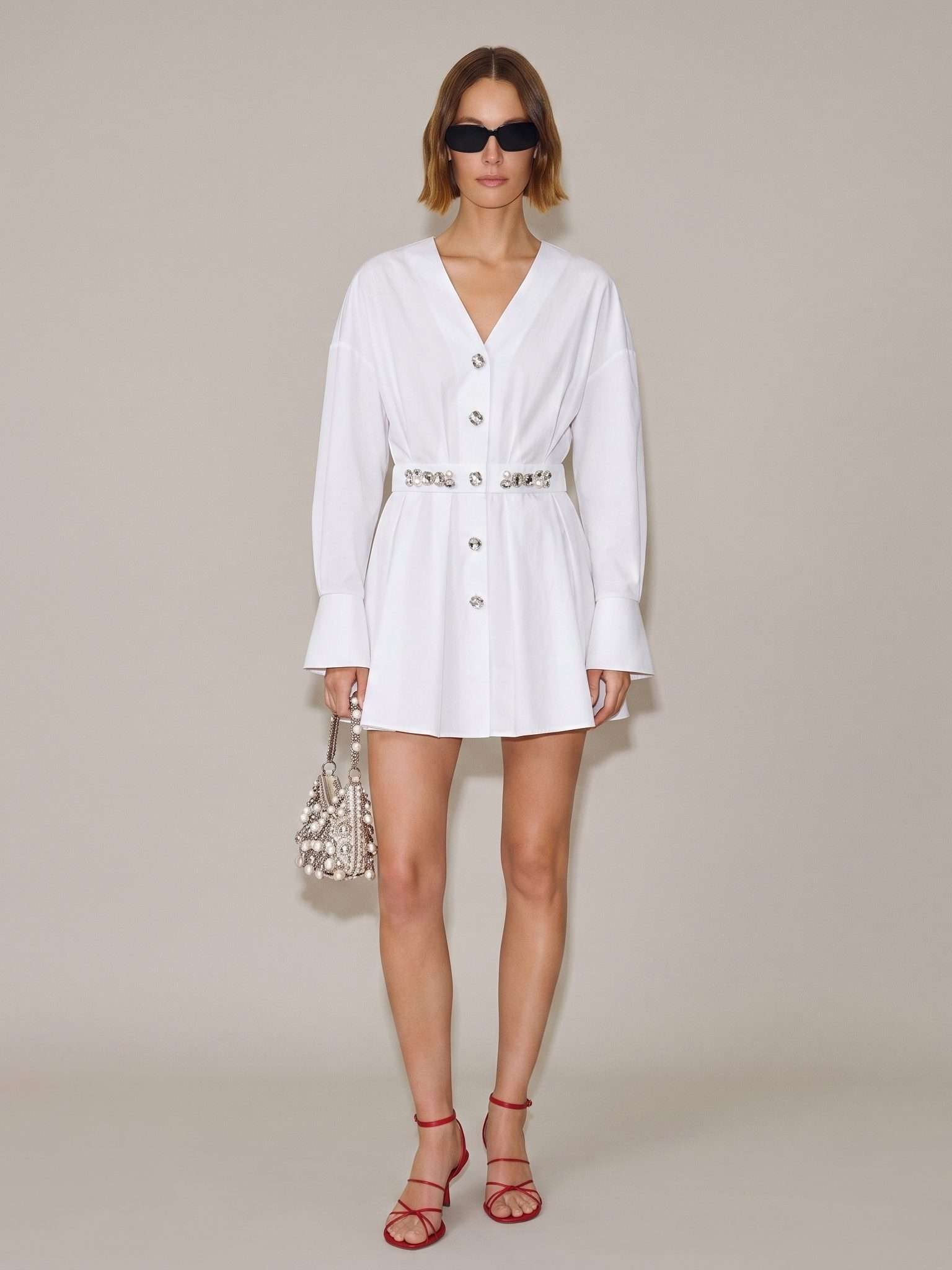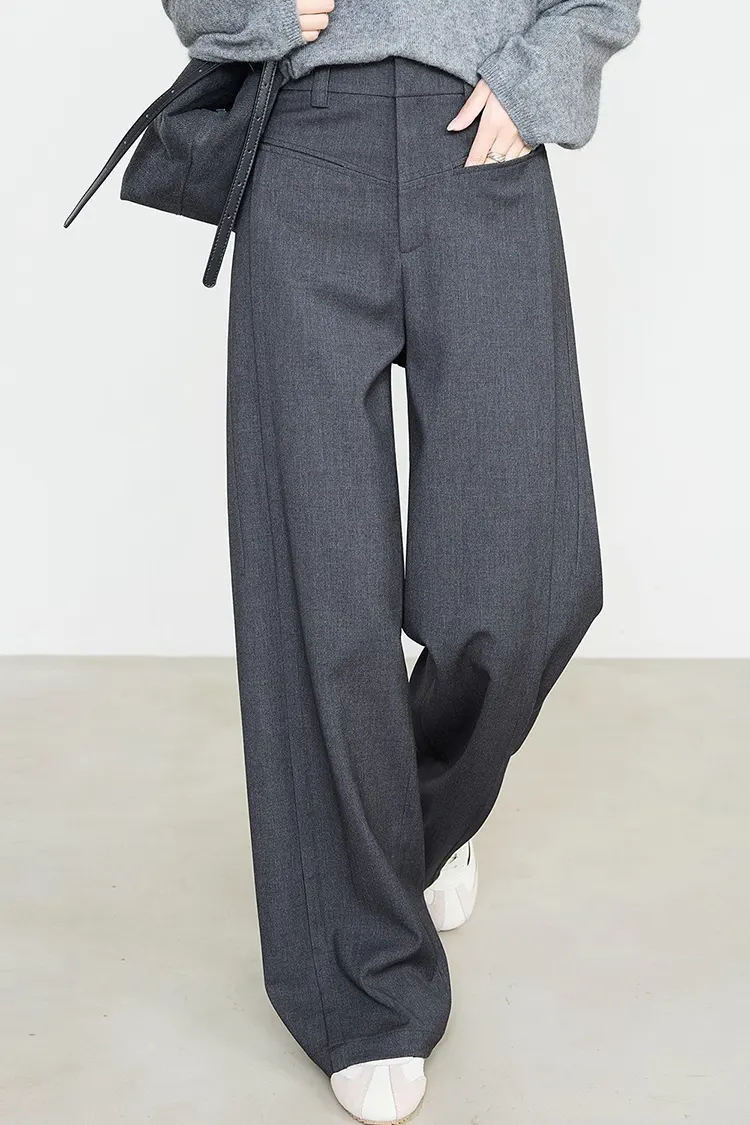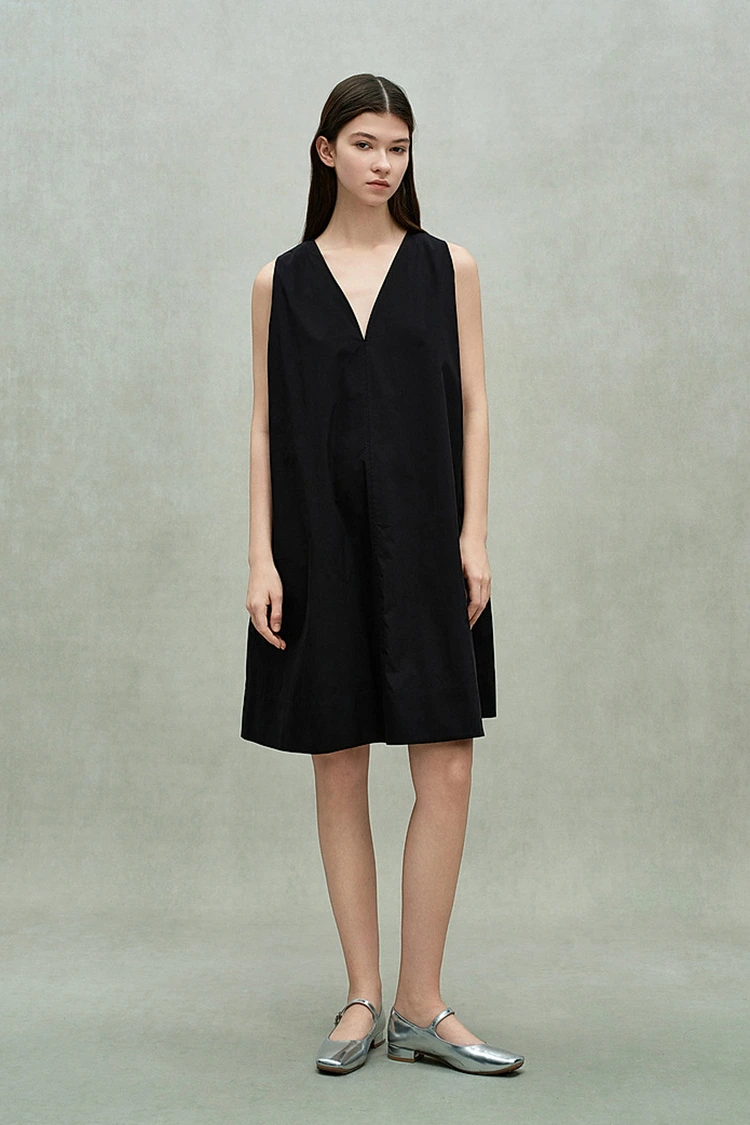
The growing interest in natural materials is changing the way parents and apparel brands think about infant clothing. The Baby Wool Knitwear Collection reflects this shift by combining traditional knitwear craftsmanship, soft natural fibers, and practical designs created for modern baby wardrobes.
In recent years, babywear has moved beyond simple appearance. Comfort, material transparency, durability, and thoughtful construction are becoming increasingly important considerations. Across the children's apparel market, demand for soft, breathable, and responsibly developed fabrics continues to influence product development.
Why Natural Fibers Are Gaining Attention in Babywear
A baby's clothing has a unique role compared with adult apparel. It needs to provide comfort during movement, support changing temperatures, and remain gentle against sensitive skin.
This has encouraged more attention toward natural fiber options such as wool, cotton, and other plant-based materials. Instead of focusing only on decorative designs, many modern babywear collections are being developed around how garments feel and function during everyday use.
Wool, in particular, has a long history in cold-weather clothing because of its natural warmth and ability to manage moisture. In knitwear development, finer wool yarns are often selected for their softness, lightweight feeling, and ability to create comfortable layers.
The renewed interest in wool does not mean returning to old-fashioned designs. Modern baby knitwear combines traditional materials with updated silhouettes, improved finishing techniques, and more refined details. Recent knitwear discussions also show continued attention toward natural fibers, craftsmanship, and longer-lasting garments.
The New Meaning of Premium Baby Clothing
For many years, premium baby clothing was mainly associated with appearance: decorative details, special occasions, and fashionable styling.
Today, the definition is expanding.
A premium baby garment is increasingly expected to provide:
| Key Consideration | Why It Matters |
|---|---|
| Soft fabric feel | Helps improve comfort for delicate skin |
| Breathability | Supports comfortable wear across changing temperatures |
| Durable construction | Allows garments to maintain appearance after repeated use |
| Timeless design | Makes clothing easier to reuse and combine |
| Safe details | Reduces concerns around buttons, seams, and finishing |
This change reflects a broader movement in children's fashion. Parents are increasingly interested in fewer but better-considered garments that offer practical value beyond a single season. The European babywear market, for example, has seen growing attention toward sustainable materials, soft fabrics, and quality-focused clothing choices.
How Baby Wool Knitwear Fits Modern Wardrobe Trends
The modern baby wardrobe is becoming more coordinated.
Instead of choosing many separate outfits for different occasions, families often prefer versatile pieces that can work across daily routines.
A knitted cardigan is a good example.
It can be worn indoors as a lightweight layer, added over a cotton outfit during outdoor activities, or combined with other seasonal pieces. This flexibility makes knitwear an important category in infant clothing collections.
The Baby Wool Knitwear Collection follows this practical direction through classic cardigan designs, soft color choices, and embroidery details that add personality without reducing everyday usability.
Current baby knitwear trends also show increasing interest in heritage-inspired textures, traditional knitting techniques, and designs that feel meaningful rather than disposable.
Why Knit Construction Matters for Infant Comfort
The appearance of a baby sweater may look simple, but construction decisions have a major impact on wearing experience.
A well-developed knit garment requires attention to:
- Yarn selection
- Stitch structure
- Garment weight
- Seam finishing
- Sleeve shape
- Closure design
For babies, movement is especially important. Clothing should allow stretching, crawling, carrying, and daily activity without creating unnecessary restriction.
Features such as raglan sleeves, comfortable openings, and carefully finished edges are often used because they support easier movement and better wearing comfort.
The difference between an attractive garment and a frequently used garment often comes down to these small construction choices.
Embroidery and Details Are Becoming More Thoughtful
Decorative elements remain important in baby fashion, but the approach is changing.
Instead of excessive decoration, many collections are moving toward subtle details that create a premium feeling while maintaining practicality.
Embroidery is one example.
A small floral pattern, heart motif, or textured detail can add visual character while keeping the overall garment suitable for everyday use.
This reflects a wider trend in children's clothing: combining emotional appeal with functional design.
A baby cardigan may become part of family memories, appearing in photographs or being passed between siblings. Because of this, many families are showing more interest in garments that feel special but remain practical.
The Role of Custom Development in Baby Knitwear
As baby fashion becomes more specialized, product development is also becoming more detailed.
Different brands may have different preferences regarding:
- Yarn softness
- Color direction
- Embroidery style
- Size range
- Seasonal weight
- Design details
RUIFAN's experience in sweater and knitwear development reflects this broader industry movement. The company profile notes more than 25 years of garment production experience, with capabilities covering sweaters, knitwear, light woven garments, jeans, Tencel products, and coats.
This wider apparel background is relevant because baby knitwear does not exist separately from general fashion trends. Color development, fabric innovation, and garment construction ideas often influence children's clothing as well.
Small Details Influence Long-Term Product Value
A baby garment may only be worn for a limited period because children grow quickly. However, this makes quality and usability even more important.
A well-designed knit piece can have value beyond its first stage of use.
For example:
| Design Approach | Long-Term Benefit |
|---|---|
| Classic colors | Easier coordination with other clothing |
| Durable yarn | Better appearance over time |
| Comfortable fit | More frequent use |
| Quality embroidery | Adds uniqueness without reducing practicality |
| Flexible styling | Suitable for different occasions |
This idea connects with the growing interest in more responsible consumption. Rather than focusing only on quantity, many families and brands are considering how garments can provide better everyday experiences.
Natural Babywear Reflects a Bigger Fashion Shift
The rise of natural babywear is part of a larger transformation happening across the fashion industry.
Consumers are paying more attention to where materials come from, how garments are made, and whether products provide meaningful everyday value.
In baby clothing, these questions become even more important because comfort and safety are closely connected with material choices.
The popularity of wool knitwear does not come from tradition alone. It comes from the combination of natural fiber characteristics, improved manufacturing techniques, and modern design approaches.
Looking Ahead: Baby Knitwear Beyond Seasonal Trends
The future of baby clothing is likely to focus less on short-lived trends and more on thoughtful design.
Natural fibers, comfortable construction, refined details, and versatile styling are becoming important elements in modern babywear development.
The Baby Wool Knitwear Collection represents this direction by showing how classic knitwear concepts can adapt to current expectations for comfort, quality, and timeless design.
As the children's apparel industry continues evolving, collections developed around natural materials and practical functionality will remain an important part of how brands approach the next generation of baby clothing. RUIFAN's experience in knitwear development highlights how traditional craftsmanship and modern apparel needs can come together in the changing landscape of baby fashion.