Women's Cotton Dress Wholesale from China Manufacturer
Why choose a cotton dress?
Natural and skin-friendly, with high comfort
The cotton dress is made of natural cotton. The fibers are soft and fine, and there is no irritation when worn close to the skin. It is especially suitable for people with sensitive skin. It has excellent breathability, which can quickly expel sweat and moisture, keeping the skin dry and avoiding stuffiness and stickiness. It is cool to wear in summer and comfortable to wear alone or in layers in spring and autumn.
Environmentally friendly and healthy, with strong sustainability
Cotton is a renewable resource. Its production process is relatively environmentally friendly, and cotton clothing is biodegradable, reducing the burden on the environment. In addition, cotton fibers are naturally anti-static and not prone to dust accumulation, making them more friendly to people with sensitive respiratory tracts and in line with modern people's pursuit of a healthy lifestyle.
Versatile and practical, suitable for various scenarios
Cotton dresses come in a variety of styles, which can be sweet, casual or elegant. By pairing them with different accessories such as belts, coats and shoes, you can easily switch occasions. Whether it's daily commuting, a date dinner or a vacation trip, you can find the right style. One piece can meet multiple needs.
Durable and easy to maintain, with high cost performance
High-quality cotton dresses have good anti-wrinkle properties and are not prone to deformation after daily washing. Moreover, cotton fibers are heat-resistant and can be machine washed or ironed, resulting in low maintenance costs. Compared with synthetic fibers, cotton clothes are more durable, less prone to pilling or static electricity after long-term use, and have a higher overall cost performance.
How to choose high-quality Women's Cotton Dresses?
Look at the fabric composition and craftsmanship
Give priority to 100% pure cotton or blended fabrics with a cotton content of over 90% (such as cotton + spandex for enhanced elasticity). Pay attention to checking whether the fabric has undergone pre-shrinkage treatment to avoid shrinking after washing. Brushing or enzyme washing processes can enhance softness, while anti-wrinkle treatment reduces the hassle of daily care.
Observe the details of the workmanship
Check if the stitches are even and fine (more than 12 stitches per inch is preferred), and there are no loose threads or thread ends. The edges of the neckline, cuffs, skirt hem, etc. need to be trimmed to prevent loose threads. Zippers, buttons and other accessories should be smooth and firm. Hidden button designs make them look more exquisite.
Pay attention to the style and cut
Choose the style according to your body shape: Pear-shaped figures are suitable for A-line skirts, apple-shaped figures can opt for V-neck and cinched waists, and hourglass-shaped figures can try close-fitting knitted skirts. Avoid overly tight or loose styles. When trying them on, pay attention to whether the armpits and hips can move freely.
Verify quality and certification
Choose brands or merchants with a good reputation, check whether the products have passed international certifications (such as GOTS organic cotton certification, Oeko-Tex Standard 100 environmental protection certification), and ensure that there are no harmful substances remaining in the fabric. For dark colors, it is necessary to confirm the color fastness to avoid fading and staining.
Core Advantages of Ruifan Women's Cotton Dresses
Fabric
High-count combed cotton or a cotton blend is selected. It has undergone pre-shrinking and high-temperature washing treatment, combining skin-friendliness, breathability, and anti-wrinkle properties. This enhances the convenience of wearing and care.
Quality
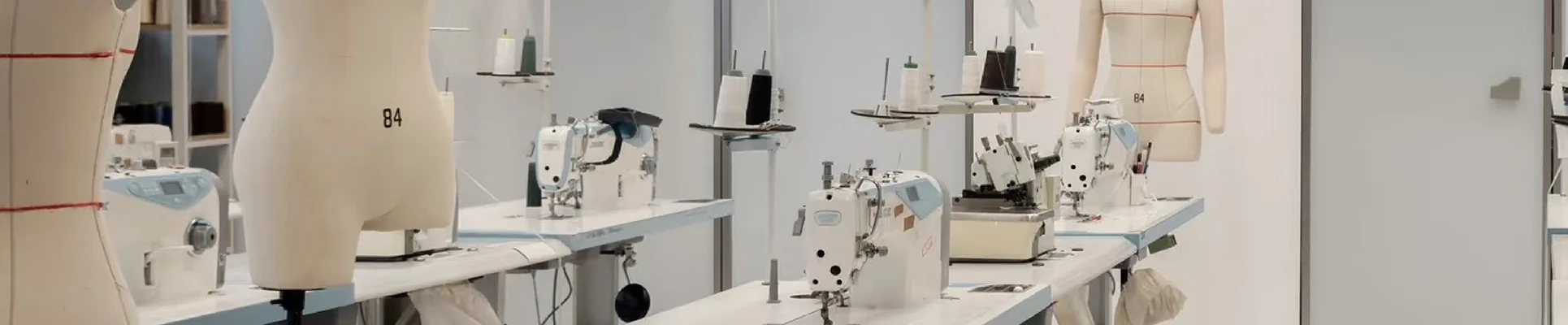
We adhere to internal control standards that exceed national standards. From raw materials to finished products, we conduct full-chain quality control to ensure stable color fastness, shrinkage rate, and pilling grade. This makes the dresses suitable for long-term wearing in multiple scenarios.
Certification
At the system level, it has passed ISO 9001/14001/45001. At the product level, it meets ecological certifications such as Oeko - Tex Standard 100, conforming to the compliance and safety requirements of domestic and international markets.
I. Fabric Advantages: Balancing Comfort and Functionality
- Raw materials and yarn count: Long - staple cotton or Xinjiang cotton is preferred. 40 - 60 count combed yarn is used, with a fine texture and soft touch, enhancing skin - friendliness and breathability.
- Functionalization treatment: Through processes such as pre - shrinking and high - temperature water washing, the size and hand feel are stabilized, achieving “softer with each wash”. Meanwhile, it enhances anti - wrinkle properties and reduces daily maintenance costs.
- Blended innovation: Some styles are made from a blend of cotton, Tencel, modal, and a small amount of spandex. This combines the breathability of cotton with the drape and resilience of the blend, making them suitable for various wearing scenarios in spring and summer.
II. Quality Advantage: The Entire Chain is Stable and Controllable
- Raw material selection: A stable cotton spinning supply system is established. We strictly control the consistency of raw cotton grades and batches, reducing color differences and quality fluctuations from the source.
- Process standards: Utilizing three - dimensional cutting and precise pattern making, combined with detailed techniques such as edge wrapping, invisible zippers, and pleating, the fit and durability of the pattern are enhanced.
- Quality control system: We implement a three - level quality inspection system of “raw material testing - process inspection - finished product sampling inspection”, covering key indicators such as color fastness, shrinkage rate, strength, and pilling, to ensure the stable quality of each batch.
- Washable and durable: After multiple washing tests, it remains resistant to deformation, pilling, and color fading, balancing practicality and cost - effectiveness.
III. Certification Advantages: Dual Guarantees of Compliance and Security
- Management system certification: Through ISO 9001 (Quality Management), ISO 14001 (Environmental Management), and ISO 45001 (Occupational Health and Safety), standardized production and management processes have been established.
- Ecological safety certification: The product has passed the Oeko - Tex Standard 100 certification. The limits of harmful substances comply with international standards and are suitable for close - fitting wear by mothers and babies as well as export to domestic and foreign markets.
- Export compliance: Meeting the requirements of EU regulations such as RSL and REACH, facilitating compliant listing on platforms like Amazon, and reducing cross - border trade risks.

- View as
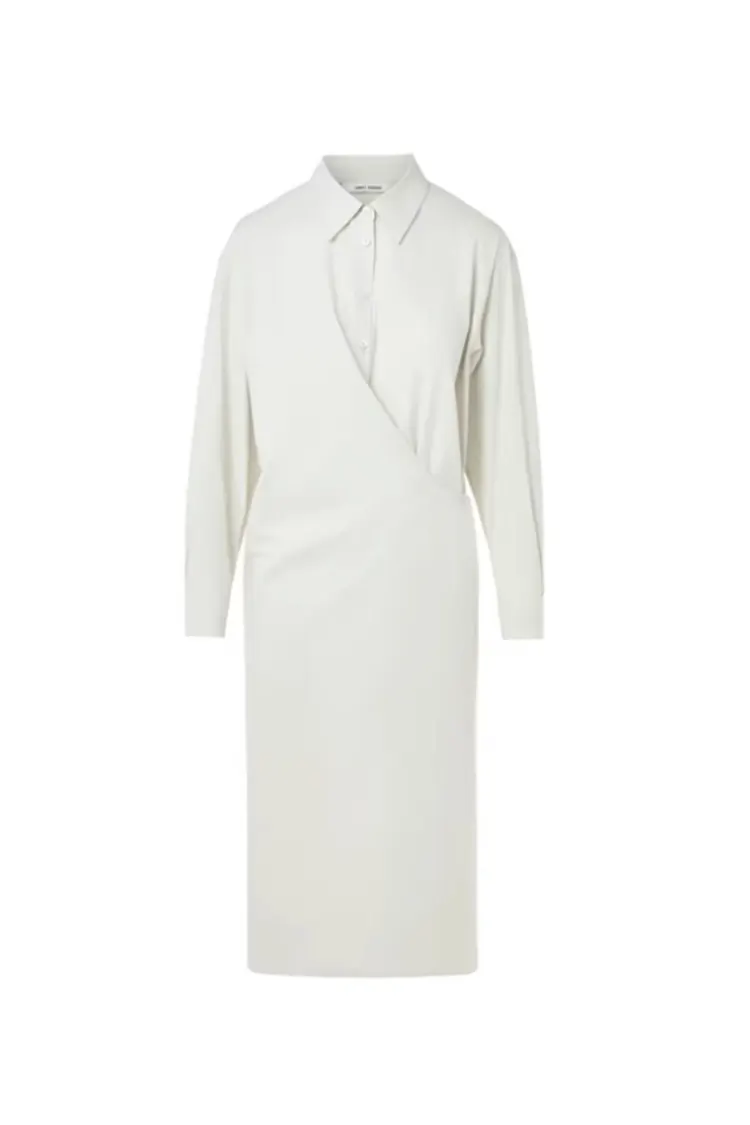
Women's Simple Cotton Commuting Shirt Dress
With years of expertise in women's fashion, RUIFAN has emerged as a professional frontrunner in women's dress production, combining superior craftsmanship with prices that offer genuine value for customers. The structure of This Women's Simple cotton commuting shirt dress interprets the urban light workplace aesthetics of intellectual relaxation.
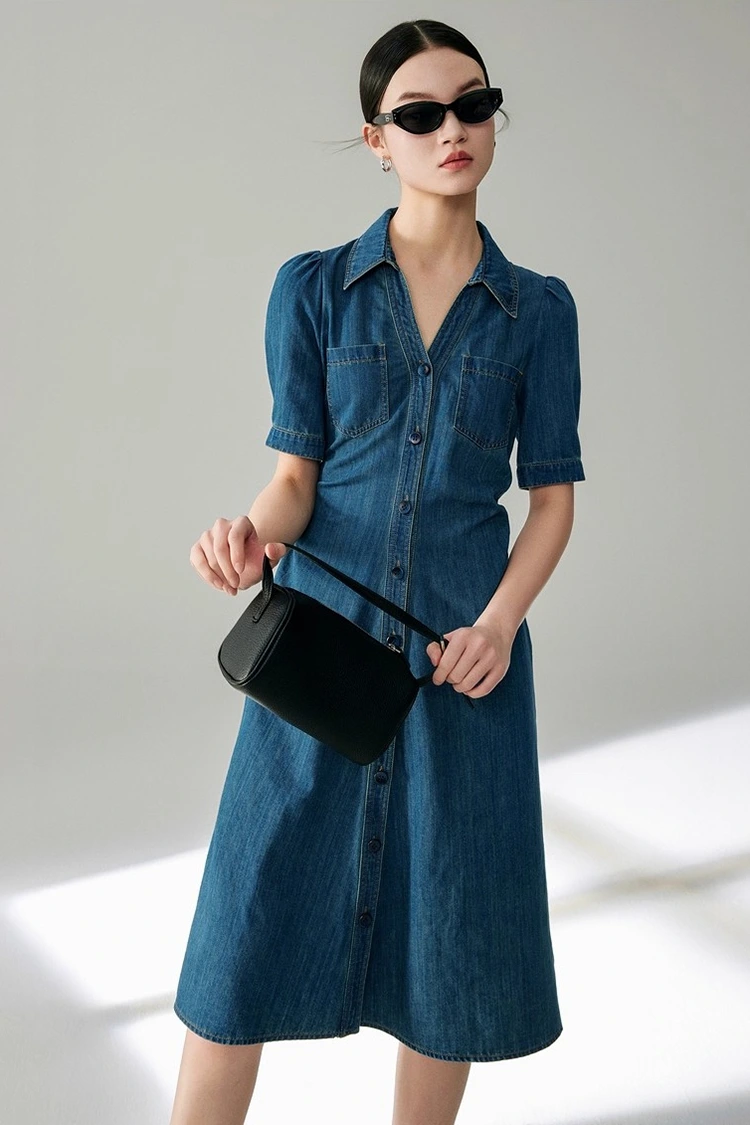
Women's Jeans Cotton Classy Dress
As a professional exporter and high-quality supplier, RUIFAN focuses on the development and production of high-quality business casual women's clothing, providing professional wholesale services to global customers. This Women's Jeans Cotton Classy Dress offers multi-dimensional customization services, including color, size, and logo printing. It features flexible minimum order quantities and stable delivery times, making it an excellent choice for your wholesale purchases.
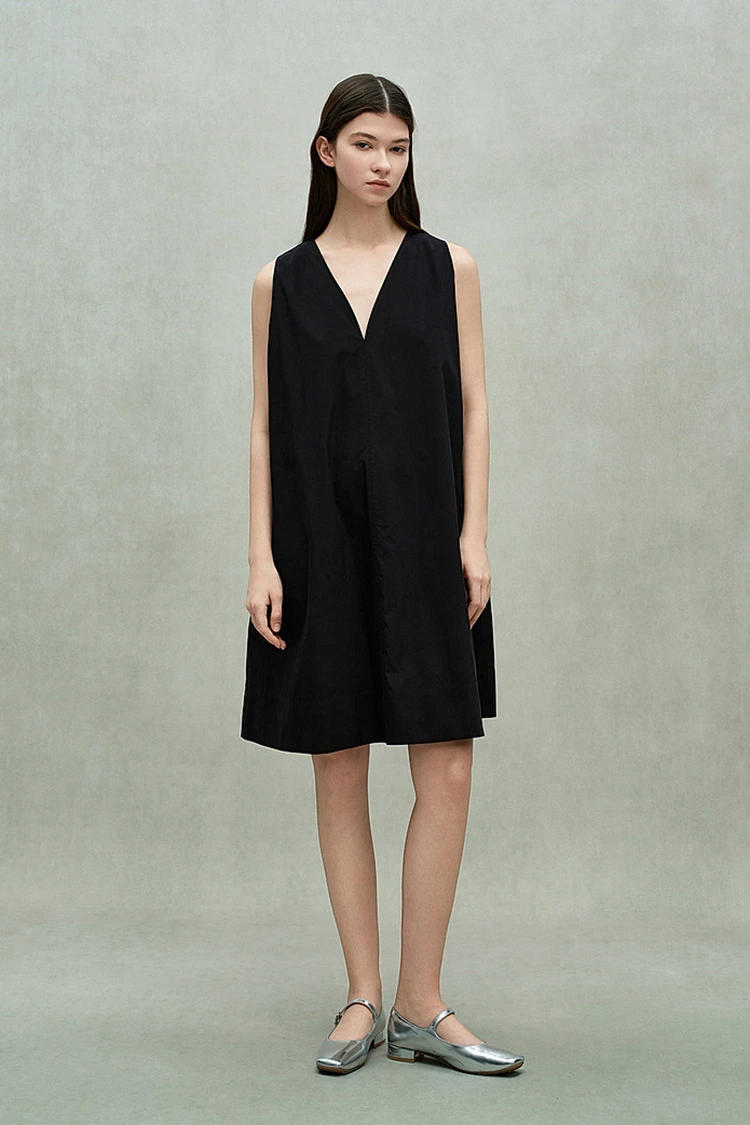
Women's Cotton Casual Plunging V-Neck Dress
As a professional women's clothing supplier, RUIFAN focuses on wholesale and bulk order services for high-quality casual women's clothing. The Women's Cotton Casual Plunging V-Neck Dress is our core product. We offer customization options for color and size, with flexible minimum order quantities and stable delivery periods. It is an excellent choice for your wholesale purchases and bulk orders.
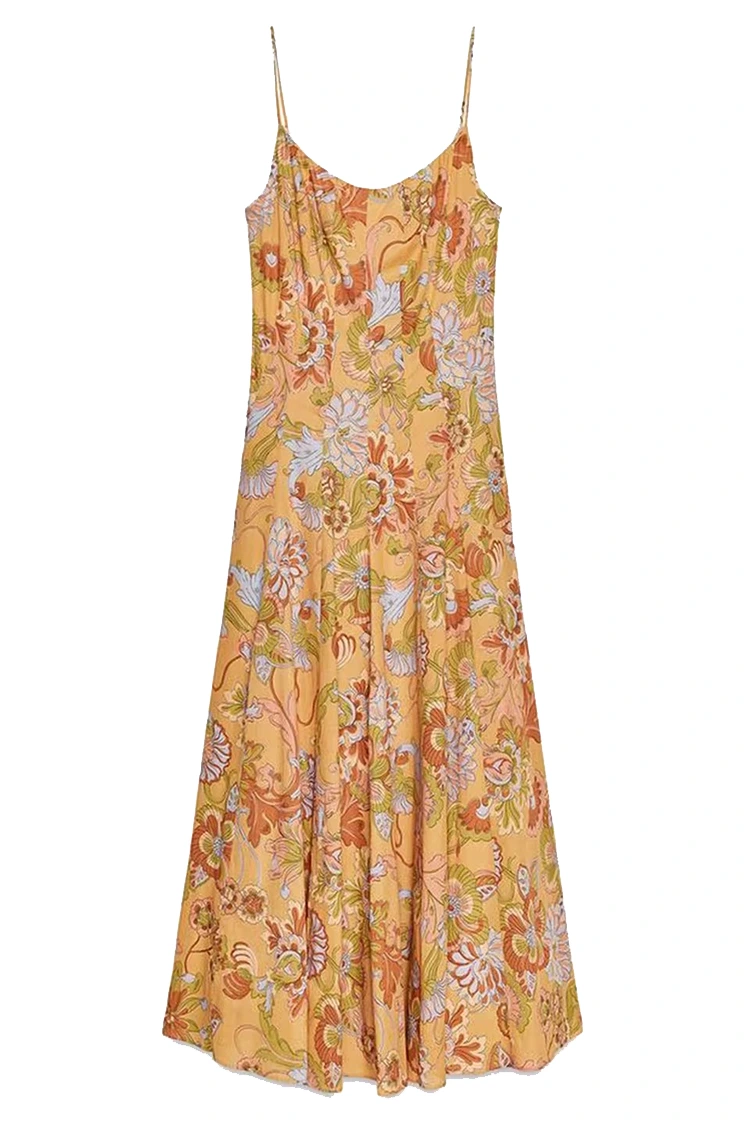
Women's Cotton Summer Floral Print Dress
Women's Cotton Summer Floral Print Dress from RUIFAN is a masterpiece that perfectly combines retro romance with the relaxed vibe of summer.The light orange base is covered with a richly textured floral print, with a warm and soft color that exudes vitality. It seems to wrap a whole blooming summer garden around your body.
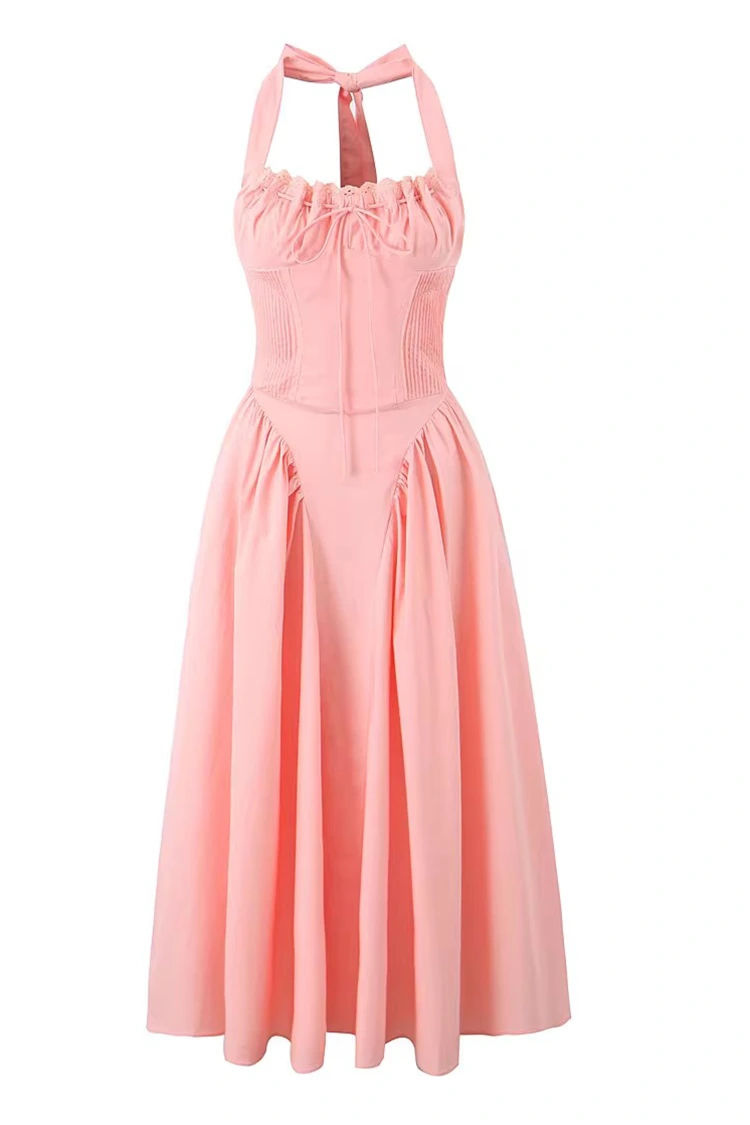
Women's Pink Cotton MIDI Dress
With years of expertise in women's fashion, RUIFAN has emerged as a professional manufacturer in women's dress production, combining superior craftsmanship with prices that offer genuine value for customers. This Women's Pink Cotton MIDI Dress is a charming and girlish wrap dress with a soft peach pink as the main color. It combines retro elegance with modern fashion appeal.
RUIFAN is a professional Women's Cotton Dress manufacturer and supplier in China. We warmly welcome you to wholesale high quality products at competitive price from our factory.