
Children's Knitwear: How to Choose the Right Fabrics, Styles, and Sizes
Children's knitwear covers a wide range of garments, including sweaters, cardigans, knitted tops, pullovers, and other everyday clothing for children. Because children's skin, activity levels, and clothing needs can differ from adults, choosing knitwear involves more than simply looking at color and style.
For parents, retailers, and children's clothing buyers, factors such as fiber composition, fabric weight, stretch, construction, sizing, seasonal use, and care requirements all affect whether a knitted garment is suitable for everyday wear.
What Is Children's Knitwear?
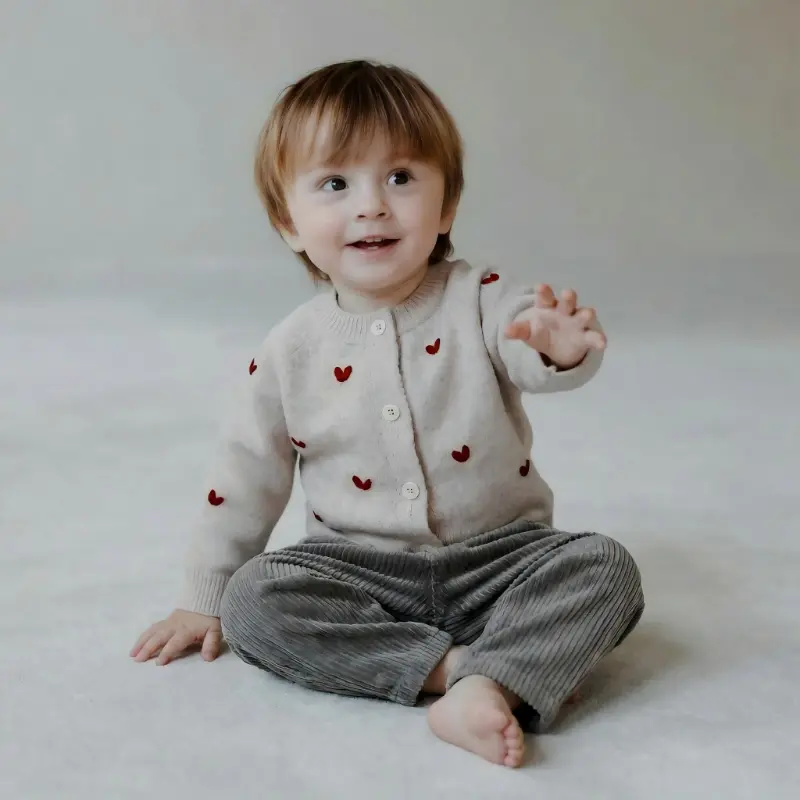
Children's knitwear refers to garments made from knitted fabrics or constructed through knitting processes. Unlike woven fabrics, knitted fabrics are formed from interlocking loops, which generally give them greater flexibility and stretch.
Common children's knitwear products include:
Children's sweaters
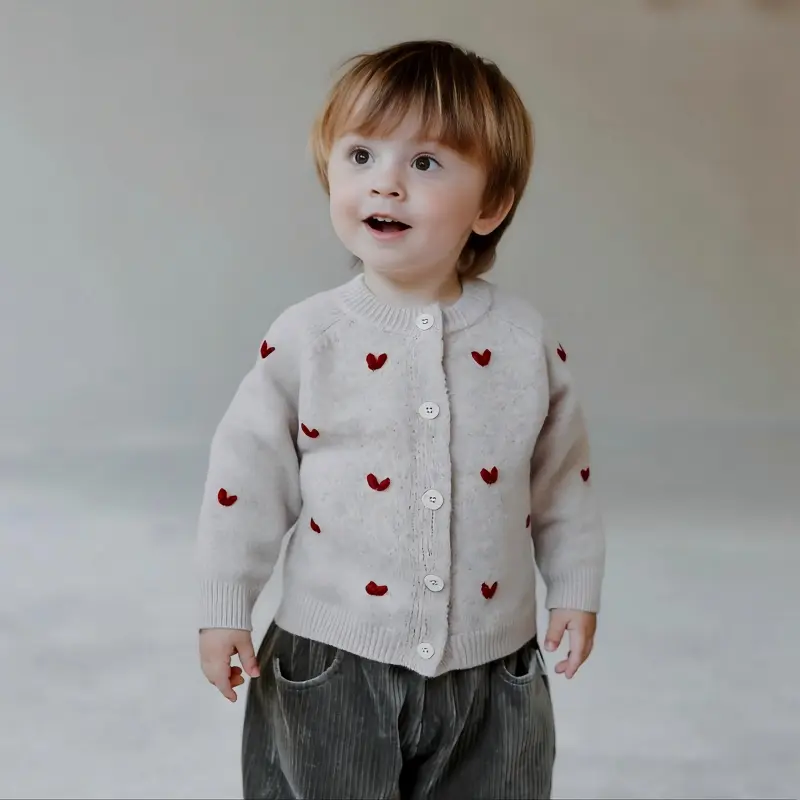
Knitted cardigans
Pullover sweaters
Knitted vests
Knit tops
Turtleneck sweaters
Lightweight knitted jackets
Baby and toddler knitwear
The suitable construction depends on the intended use. A lightweight knitted top may work well as an everyday layer, while a heavier sweater may be more suitable for colder weather.
Which Fabrics Are Used for Children's Knitwear?
The fiber content has a direct effect on the garment's feel, warmth, durability, and care requirements. There is no single fabric that is suitable for every children's knitwear application.
Cotton Knitwear
Cotton is widely used for children's everyday clothing because it is soft, breathable, and relatively easy to care for. Cotton knitwear is commonly selected for lightweight sweaters, pullovers, tops, and transitional‑season garments.
For warmer climates or indoor wear, lighter cotton knits can be more practical than heavy sweaters.
Wool Knitwear
Wool provides natural warmth and is often used for sweaters and winter knitwear. However, wool garments can require more careful care, and some children may find certain wool fibers uncomfortable against the skin.
For children's products, the specific wool type and garment construction should therefore be considered rather than judging the product simply by the word "wool."
Acrylic Knitwear
Acrylic is commonly used as an alternative or blend component in knitted garments. It can provide warmth while offering easier care and resistance to some forms of wear.
Acrylic is particularly common in children's sweaters and fashion knitwear where manufacturers need a practical balance between appearance, cost, and everyday use.
Blended Knit Fabrics
Blending different fibers allows manufacturers to combine specific characteristics. For example, a cotton blend may be developed for softness and easier maintenance, while other blends can be used to improve warmth, stretch, or durability.
When purchasing children's knitwear, checking the actual fiber composition is more useful than relying only on general descriptions such as "soft" or "premium."
How Should Children's Knitwear Be Selected by Season?
The thickness and construction of knitwear should correspond to the weather and how the garment will be worn.
| Season | Suitable Knitwear Characteristics |
| Spring | Lightweight, breathable knits and cardigans |
| Summer | Thin knitted tops and lightweight layers |
| Autumn | Medium‑weight sweaters and cardigans |
| Winter | Heavier sweaters and warm knitted layers |
A common mistake is choosing garments based only on the season rather than the actual wearing environment. For example, children spending most of their time indoors may need lighter knitwear than children who spend extended periods outdoors.
Layering is another practical consideration. A thinner knitted garment can be worn over a T‑shirt or under a jacket, giving parents more flexibility as temperatures change.
What Should You Check When Buying Children's Knitwear?
1. Fiber Composition
Always check the fiber content first. It provides more useful information than general marketing descriptions and helps buyers understand how the garment is likely to feel and how it should be cared for.
2. Fabric Weight
Fabric weight affects warmth and wearing comfort. Lightweight knitwear is more suitable for layering, while heavier constructions are generally intended for colder conditions.
3. Stretch and Recovery
Knitted garments naturally have some degree of stretch, but the amount varies according to yarn, stitch structure, and construction.
For active children, sufficient flexibility can make a garment easier to wear. At the same time, the fabric should recover reasonably well after stretching to help the garment maintain its shape.
4. Seams and Construction
Pay attention to seams, cuffs, collars, hems, and other areas that receive repeated stress.
A well‑constructed children's sweater should have secure joining and finishing, particularly around areas such as:
Neck openings
Shoulder seams
Sleeve cuffs
Bottom hems
Pocket openings
These details can affect how well the garment performs during regular use.
5. Size and Fit
Children grow quickly, so sizing requires a slightly different approach from adult clothing.
Instead of choosing a size based only on age, buyers should check the manufacturer's actual measurements. Important measurements may include:
Chest width
Body length
Sleeve length
Shoulder width
Waist measurement
For wholesale buyers, consistent measurements between production batches are particularly important because inconsistent sizing can lead to returns and customer complaints.
Why Does Knitwear Stretch or Lose Its Shape?
Stretching is a common concern with knitted clothing. Several factors can contribute to changes in shape.
Fiber type affects elasticity and recovery. Knit structure affects how easily the fabric stretches. Garment weight can influence how the garment behaves when hanging. Washing and drying methods can also change the fabric's dimensions.
This is why children's knitwear should generally be cared for according to its fiber composition and garment care instructions.
For example, a knitted sweater should not automatically be treated in the same way as a cotton T‑shirt. Some knitwear may require gentle washing and flat drying to reduce the risk of stretching or distortion.
How Should Children's Knitwear Be Washed and Stored?
Proper care can help knitted garments retain their appearance and shape for longer.
Washing
Check the garment's care label before washing. Different fibers can have different requirements.
Avoid assuming that every knitted garment can be washed using the same cycle. Wool, cotton blends, acrylic, and other fiber combinations may respond differently to washing conditions.
Drying
Avoid hanging heavy wet knitwear for long periods because its own weight can pull the garment out of shape.
For garments that require it, flat drying can help maintain the original shape.
Storage
Fold knitted garments rather than hanging heavier sweaters on narrow hangers. Folding reduces prolonged pressure on the shoulders and can help prevent unwanted stretching.
What Matters When Sourcing Children's Knitwear for Wholesale?
For retailers and distributors, purchasing children's knitwear involves more than selecting attractive designs.
Product Consistency
Suppliers should be able to maintain consistent fabric composition, measurements, colors, and workmanship between production batches.
Size Range
A useful product range may need multiple children's sizes rather than focusing on a single age group. Buyers should confirm the supplier's size chart before placing bulk orders.
Color and Design Options
Children's knitwear is often sold in collections, so color coordination can be important. Buyers may need basic colors for everyday products alongside seasonal or fashion‑oriented colors.
Production and Customization
For private‑label and OEM projects, buyers should confirm which aspects can be customized, such as:
Yarn or fabric composition
Colors
Sizes
Patterns
Labels
Packaging
The exact customization options depend on the manufacturer's production capabilities and order requirements.
Children's Knitwear for Different Uses
Children's knitwear is used across different clothing categories rather than being limited to winter sweaters.
Everyday wear: Lightweight sweaters, cardigans, and knitted tops can be used as regular children's clothing.
School wear: Simple colors and practical constructions may be preferred where garments need to work with school uniforms or everyday outfits.
Outdoor layering: Medium‑ and heavier‑weight knitwear can be used as an additional layer under outerwear.
Baby and toddler clothing: Softer constructions and appropriate sizing become particularly important for younger children.
Seasonal collections: Retailers may develop knitwear ranges around autumn and winter collections, with designs and weights adjusted according to the target market.
FAQ About Children's Knitwear
What is the best fabric for children's knitwear?
There is no single best fabric for every child or season. Cotton is commonly used for lightweight everyday knitwear, while wool and acrylic are often used for warmer garments. Blended fabrics can provide a combination of properties. The right choice depends on the intended use, climate, and required care.
Is children's knitwear suitable for summer?
Yes. Children's knitwear does not necessarily mean heavy winter sweaters. Lightweight cotton or other thin knitted fabrics can be used for summer tops and light layering.
Why does a knitted sweater lose its shape?
Possible causes include the knit structure, fiber characteristics, garment weight, improper washing, or hanging the garment while it is wet. Following the care instructions can help reduce unnecessary deformation.
Should children's sweaters be bought according to age?
Age can provide a general reference, but actual garment measurements are more reliable. Children of the same age can have significantly different body sizes, so checking the supplier's size chart is recommended.
Related News
- Why Baby Wool Knitwear Collection Is Growing in Premium Baby Fashion
- How Baby Wool Knitwear Collection Reflects the Rise of Natural Babywear
- Why Women’s White Lyocell-Cotton Mini Shirt Dress Is Becoming a Capsule Wardrobe Essential
- How Did One Woman Build a Capsule Wardrobe Around a Single Cashmere Sweater for Women—and Never Look Back?
- How Can Women's Fitness Wear Sport Pants Improve Comfort, Performance, and Everyday Style
- Lace Meets Knitwear: Why 3D Lace Sweaters Are Bringing New Texture to Women's Fashion
Leave me a message